
Interior Design Trends Bringing Texture and Depth Into Modern Homes
Interior design trends are always evolving, but one shift that has become especially noticeable in recent years is the move away from flat, minimal surfaces. While clean lines still have their place, many homeowners are now looking for ways to add warmth, depth, and visual interest to their living spaces.
Texture plays a huge role in achieving this. By layering materials and introducing subtle design details, a room can feel far more inviting and thoughtfully styled. From natural wood elements to soft fabrics and sculptural wall finishes, modern interiors are increasingly embracing surfaces that add character and dimension.
The good news is that introducing texture doesn’t require a full renovation. Often, a few well-chosen features can completely change the feel of a room.
Why Texture Is a Key Interior Trend
Texture brings balance to modern interiors. While sleek furniture and neutral colour palettes remain popular, adding different surfaces prevents a space from feeling cold or overly simple.
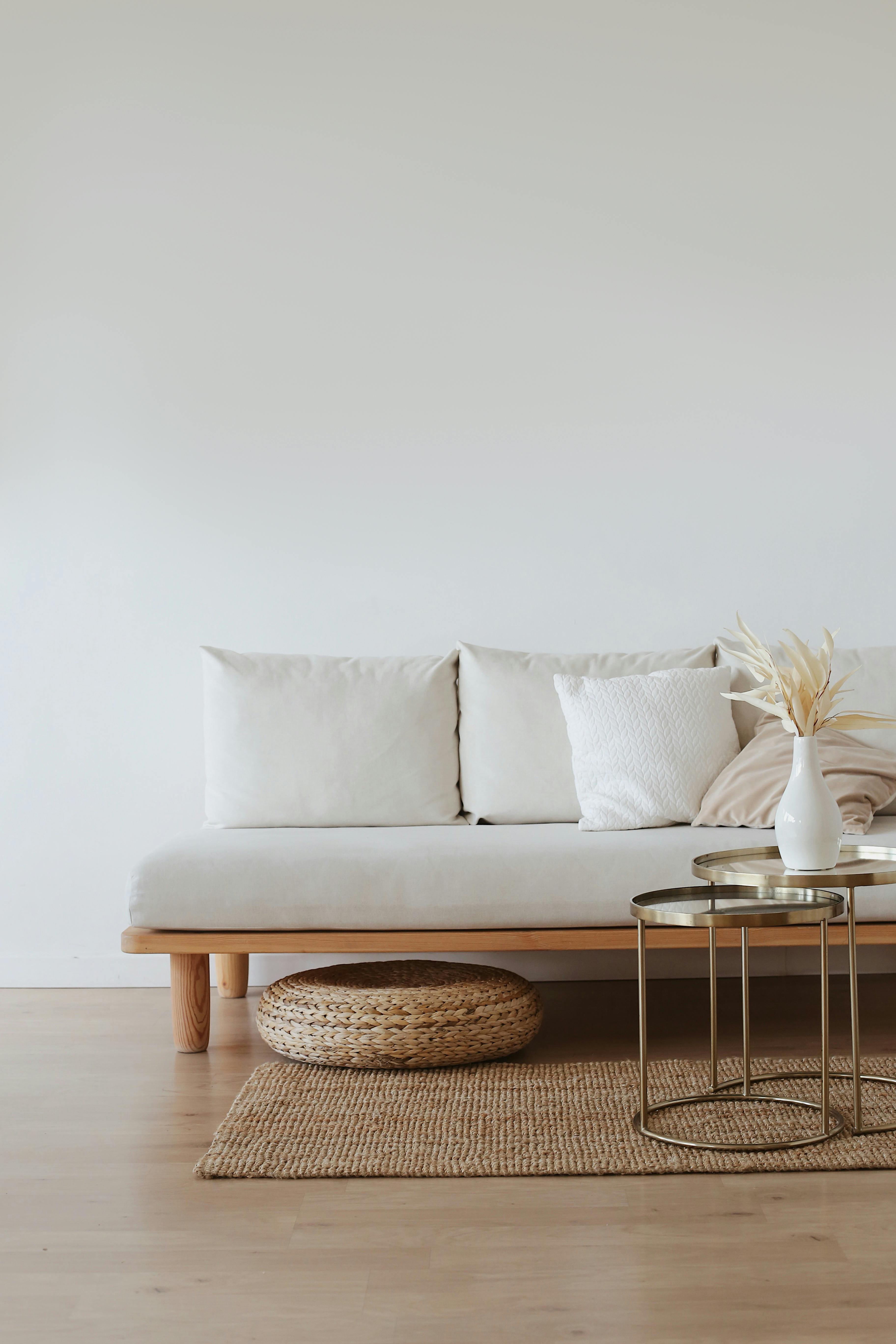
One of the easiest ways to create this effect is by mixing materials throughout a room. For example, soft furnishings such as woven throws, linen cushions, and textured rugs pair beautifully with harder finishes like wood, stone, or metal.
Natural materials are especially popular in contemporary homes. Light woods, rattan, and organic finishes introduce warmth while keeping the overall look fresh and modern. When these elements are layered together, the room gains depth without becoming cluttered.
Lighting can also play a part in highlighting texture. Wall lighting or soft lamps often cast subtle shadows across surfaces, which helps architectural features stand out.
Statement Walls That Transform a Space
Feature walls have long been used to create a focal point, but today’s versions often go beyond simple paint colours. Instead, many homeowners are experimenting with surfaces that bring movement and structure to a room.
A statement wall can work particularly well in spaces such as:
> Living rooms behind a sofa or television
> Bedrooms behind the bed as a headboard feature
> Hallways where plain walls can feel empty
> Home offices that benefit from a visually interesting backdrop
Textured walls instantly draw the eye and help anchor the overall design of the room. Even subtle details can have a strong effect when paired with neutral paint colours and simple furnishings. This approach also works well in modern homes where open-plan layouts benefit from clear visual zones.

Decorative Wall Features That Add Depth
Wall panelling has seen a major resurgence in interior design, offering a stylish way to introduce architectural interest. From classic shaker-style panels to ribbed designs, decorative wall treatments bring structure and dimension to otherwise flat surfaces.
Vertical textures are particularly effective because they naturally guide the eye upward, which can make ceilings appear higher and rooms feel more spacious.
A popular option in modern interiors is the use of slatted cladding boards. These vertical wood-style panels create a clean, contemporary look while adding rhythm and depth to a wall. The evenly spaced lines produce subtle shadows that change throughout the day as the lighting shifts.
Because the design is simple yet striking, this style works beautifully with modern furniture and neutral colour schemes. It adds visual interest without overwhelming the space.
Where These Features Work Best in the Home
Textured wall features can be used throughout the home to create different moods and focal points.
Living Rooms: In living spaces, textured panels are often used as part of a media wall. They provide a stylish backdrop for televisions, shelving, and decorative lighting while making the space feel more cohesive.
Bedrooms: In bedrooms, wall textures can replace traditional headboards. A feature wall behind the bed creates a calming focal point and adds a sense of structure to the room.
Hallways and Entrances: Hallways are often overlooked when decorating, yet they are one of the first areas people see when entering a home. Adding textured wall elements can instantly make the space feel more intentional and welcoming.
These features are also appealing because they can be introduced without major building work, making them ideal for homeowners who want a design update without a full redesign. Adding texture and depth is one of the simplest ways to refresh a modern interior. By combining layered materials, statement walls, and decorative features, homeowners can create spaces that feel warm, stylish, and full of personality.
Whether it’s through natural fabrics, wood finishes, or carefully chosen wall details, small design choices can have a big visual impact. For anyone looking to update their home, focusing on texture is a great starting point — bringing character and dimension to everyday living spaces without the need for extensive renovation.



0 comments