Vintage Omega watches have become increasingly popular with collectors and everyday enthusiasts alike. From classic Seamaster and Constellation models to iconic Speedmasters, Omega's extensive back catalogue offers plenty of choice for buyers looking for Swiss craftsmanship with genuine history.
Australia has a growing market for vintage and pre-owned watches, with specialist dealers offering everything from affordable vintage dress watches to highly collectible chronographs. However, buying vintage requires more consideration than simply choosing a model you like. Condition, originality, servicing history and authenticity can all have a significant impact on value.
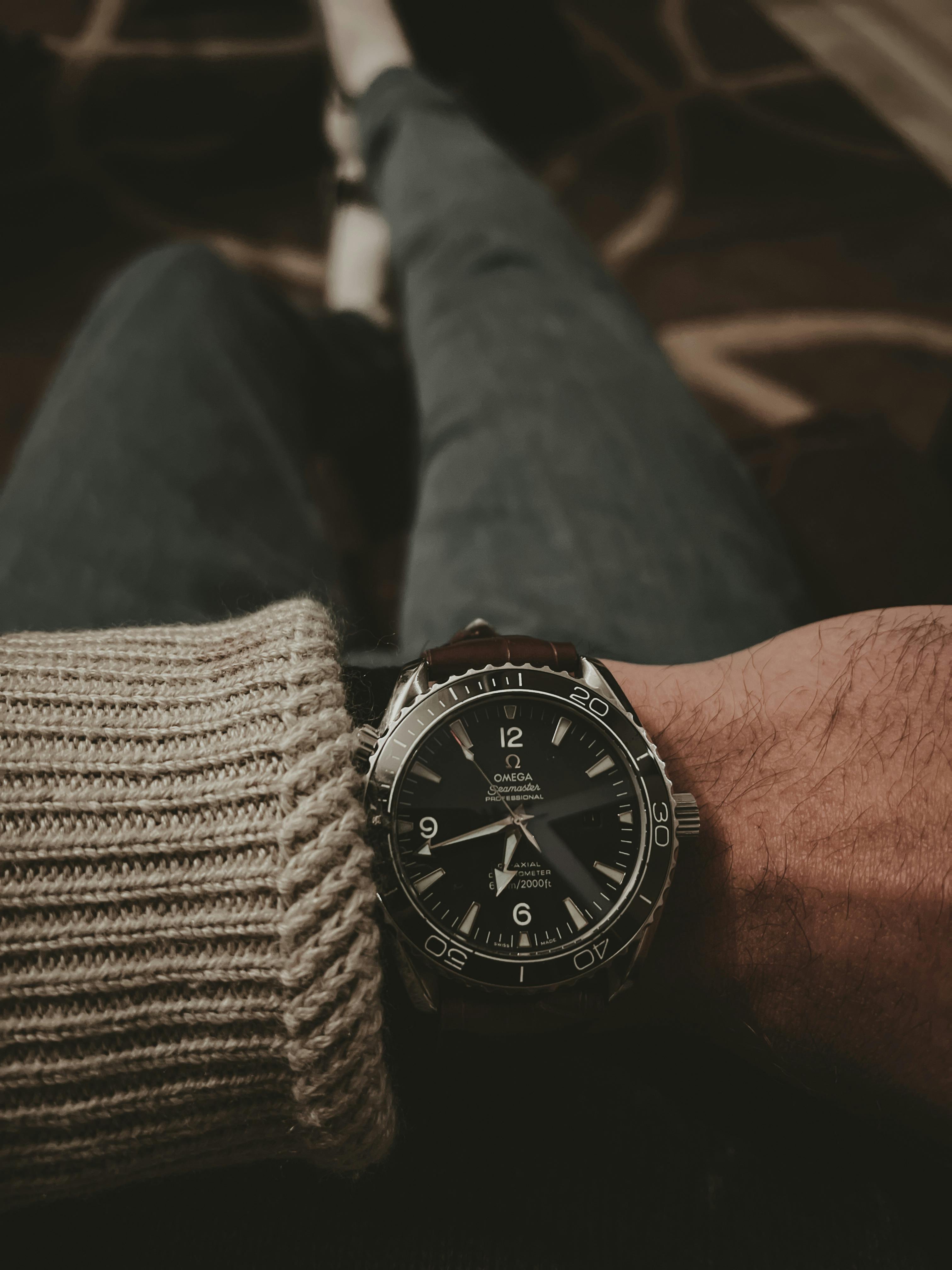
If you're looking to add a vintage Omega to your collection, here are seven Australian retailers and specialists worth exploring.
1. Kalmar Antiques – Sydney
Kalmar Antiques is another interesting destination for vintage Omega shoppers, particularly if you're drawn to watches with an antique character. The Sydney business maintains a dedicated Omega collection and offers both vintage and antique pieces.
Collectors can browse vintage Omega watches for sale, with a wide range available from older dress watches to later models, while the business also provides access to Omega servicing through its Sydney service centre. This combination can be valuable when purchasing an older mechanical watch that may require professional attention after years of use.
2. Crown Vintage Watches – Sydney
For buyers looking for a more specialised vintage-watch experience, Crown Vintage Watches is a Sydney-based dealer focusing on vintage and pre-owned luxury timepieces. Omega is among the brands featured in its collection, with models such as vintage Speedmasters available depending on current stock.
Crown Vintage says its watches are inspected and authenticated, and it offers a minimum six-month mechanical warranty on pre-owned watches. Purchases and viewings are handled from its Sydney premises by appointment, making it particularly suited to buyers who prefer a more personalised experience.
3. Vintage Watch Co. – Sydney and Brisbane
Vintage Watch Co. is one of Australia's established vintage-watch specialists, with stores in Sydney's Strand Arcade and Brisbane's Tattersall's Arcade. The business has roots dating back to the 1990s and carries a changing selection of vintage and pre-owned watches.
Its Omega range can include classic models alongside watches from brands such as Rolex, IWC, Breitling and Cartier. The company also has trained watchmakers who can assist with servicing and restoration, making it a useful option for buyers who want after-sales support as well as a vintage watch.
4. Time Rediscovered – Online
Time Rediscovered is worth considering if you prefer to shop online. The retailer has a dedicated vintage Omega collection featuring a variety of historical models, including Seamaster, Speedmaster, Constellation and Genève watches.
One advantage of a specialist collection is the variety of styles available. Buyers can find everything from understated 1950s and 1960s dress watches to manually wound chronographs and more recognisable Omega references. The retailer states that watches are inspected for authenticity and condition, with originality being an important part of its assessment.
5. Vintagetica – Online Australia
Vintagetica offers another online option for Australian buyers interested in certified vintage watches. Its Omega selection has included De Ville models and other vintage references, with prices varying considerably according to age, condition and specification.
The retailer says its watches are verified for authenticity and serviced before sale, and its timepieces come with a 12-month mechanical warranty. For first-time buyers, those assurances can provide useful peace of mind when purchasing an older mechanical watch online.
6. Watch Collector – Online Australia
Watch Collector is an Australian second-hand watch specialist with Omega among the brands available through its online store. It also maintains a dedicated vintage category and offers buying, selling, trading and consignment services.
Another attraction is its in-house restoration capability. The company describes itself as specialising in restoration and servicing of second-hand Swiss watches, which may be useful if you're purchasing a vintage Omega that needs attention rather than simply looking for a watch in untouched condition.
7. R. McMahon Watchmakers – Adelaide
R. McMahon Watchmakers is slightly different from the other options on this list because its primary focus is vintage-watch restoration rather than retail sales. Nevertheless, it deserves a mention for anyone buying a vintage Omega in Australia.
The Adelaide specialist focuses particularly on pre-1971 mechanical Omega movements and has experience working on vintage Speedmasters and Seamasters. Its workshop also maintains a substantial collection of vintage Omega parts and can manufacture certain components when original replacements are unavailable.
If you're considering an older Omega from another seller, having access to a specialist who understands vintage movements can be an important part of the buying process.
What to Check Before Buying a Vintage Omega
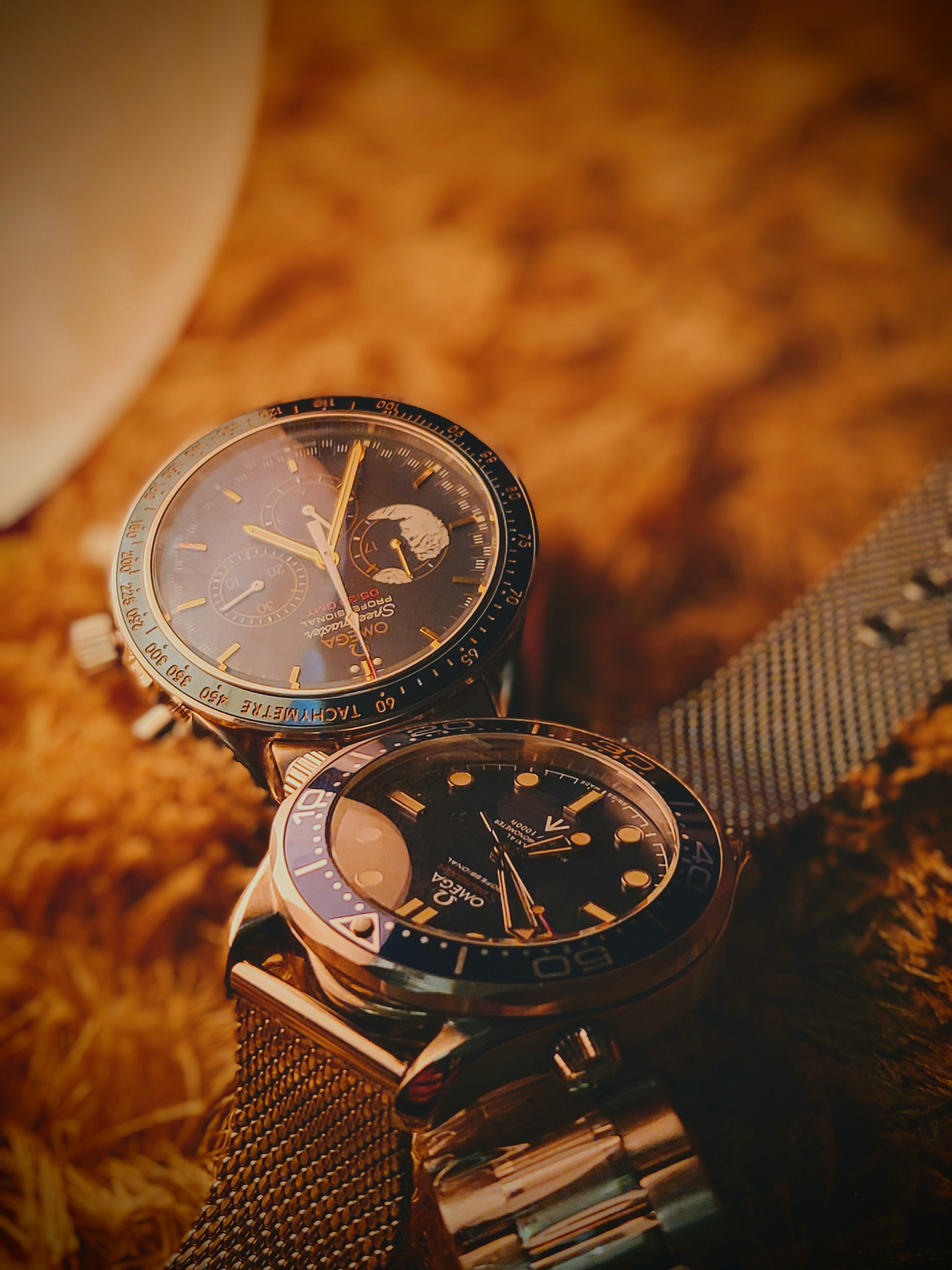
Wherever you buy, don't judge a vintage Omega solely by its appearance. Ask about the reference number, movement calibre, servicing history and originality of the dial, hands, case and bracelet.
It's also worth checking whether replacement parts have been used. Some replaced components are perfectly acceptable from a practical perspective, but originality can be particularly important to collectors and can affect a watch's value.
Finally, remember that vintage watches can require more maintenance than modern watches. A recently serviced movement, a reputable seller and a clear return or warranty policy can make the buying process considerably safer.
Finding the Right Vintage Omega
The best place to buy depends on what you're looking for. Sydney and Brisbane offer several opportunities to inspect vintage watches in person, while online specialists provide access to a broader selection from across Australia.
Whether you're searching for a classic Seamaster, an elegant Constellation, a vintage De Ville or an early Speedmaster, take your time, research the reference and prioritise authenticity and condition. With the right approach, a vintage Omega can be more than a stylish accessory—it can be a fascinating piece of watchmaking history.