twitter instagram linkedin
  • Home
  • Contact
  • Topics
    • Beauty
    • Food + Drink
    • Lifestyle
    • Home + Interiors
    • Fashion
    • Health + Fitness
    • Travel
    • Relationships + Dating
    • Business, Education + Finance
    • Blogging Tips
  • Disclaimer
  • Privacy Policy
  • Features

● Laura Thornberry ● Lifestyle Blogger ● London Based ●

 A bathroom renovation involves far more decisions than simply choosing a new suite and picking a colour scheme. The layout, plumbing, lighting, storage, materials and finishing details all influence how the room looks and, just as importantly, how well it works once the renovation is finished. Decisions that seem minor at the planning stage can have a noticeable effect on the final result.

 Understanding the practical side of a Fully Fitted Bathroom can help homeowners make better choices from the beginning. When design preferences are considered alongside the structure and requirements of the room, it becomes easier to create a bathroom that feels cohesive rather than one where individual elements compete with each other.
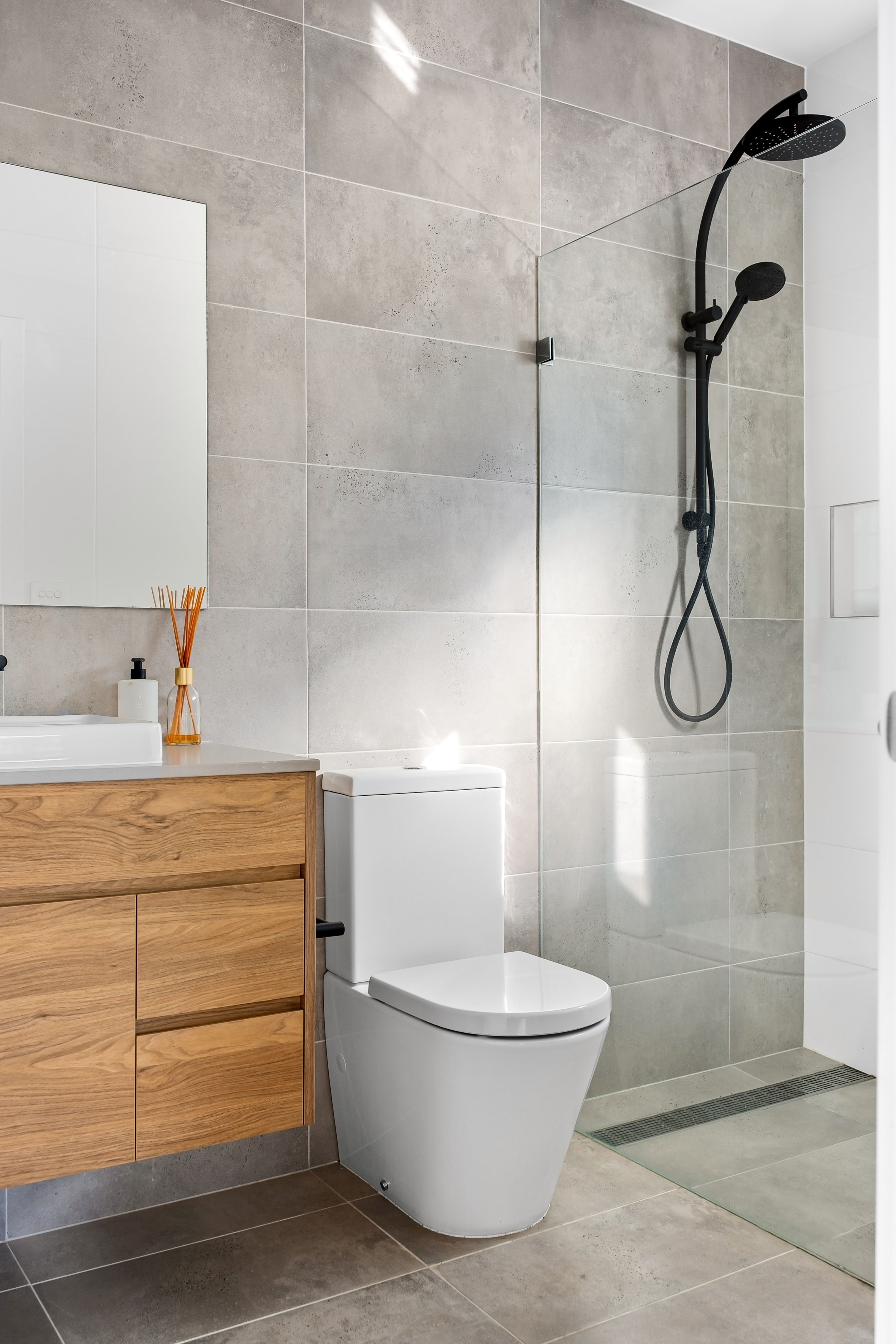
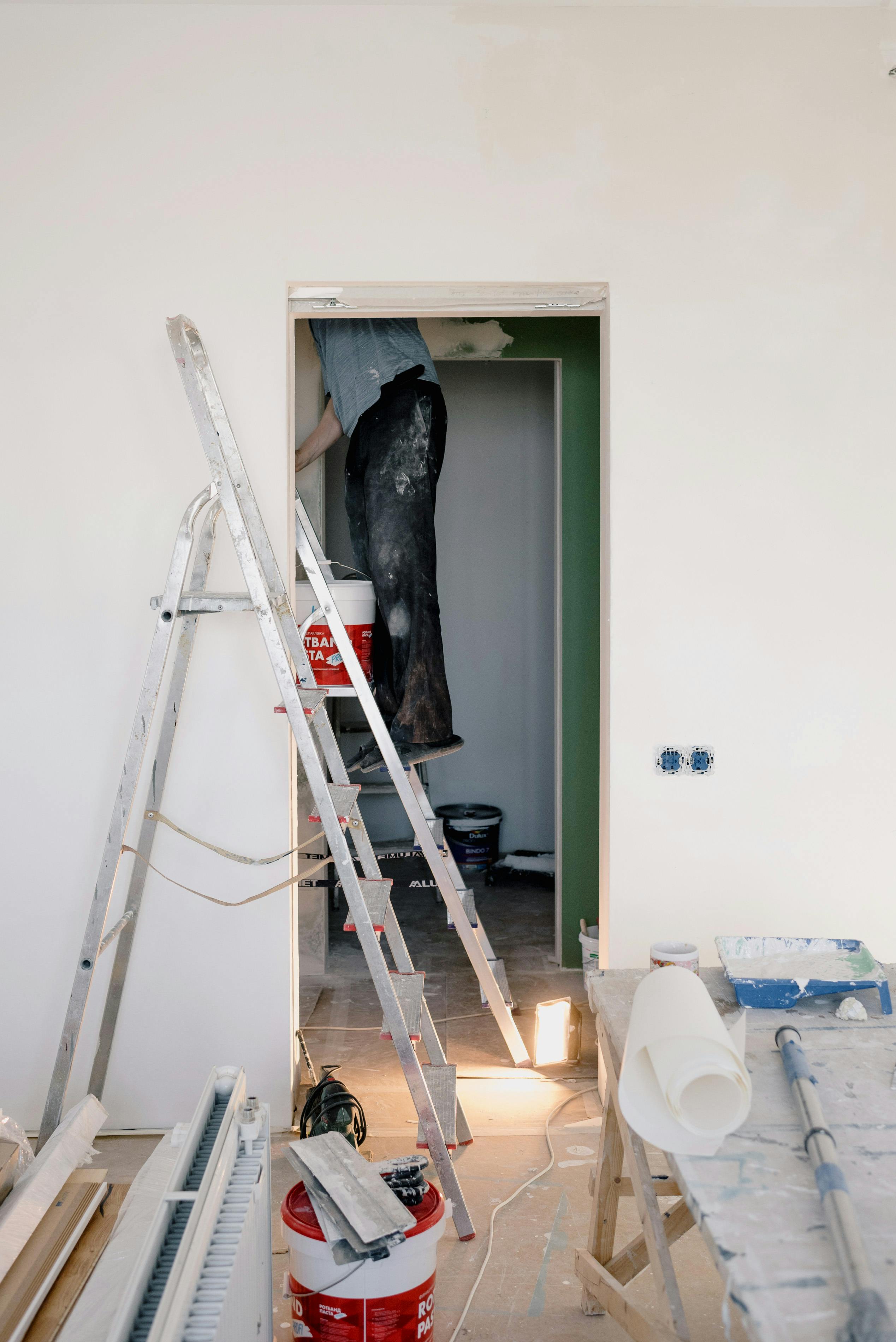
bathroom renovations

The Layout Sets the Foundation
The layout is one of the biggest decisions to make because it determines how the rest of the bathroom will come together. Before choosing fittings, consider how people move through the room, where the doors and windows are positioned and how much space is available around each fixture.

Keeping the existing layout can sometimes make a renovation more straightforward, particularly when the current plumbing positions already work well. However, changing the arrangement may be worthwhile if the existing bathroom feels cramped or doesn't suit the way the room is used.

Think about everyday movement rather than simply fitting everything into the available floor area. There should be enough clearance to open shower doors, use vanity drawers and move comfortably between different areas of the room.

Plumbing Can Influence Your Design
The position of existing plumbing can place practical limits on what can be changed. Moving a basin may be relatively simple in some circumstances, while relocating a toilet or changing drainage arrangements can require considerably more planning.

This is why it helps to establish the plumbing requirements before becoming too attached to a particular layout. A design might look perfect on paper, but it still needs to work with the building's existing services. If moving fittings is necessary, discuss the implications during the planning stage. Knowing what additional work may be involved gives you a clearer idea of what the renovation will require before installation begins.

Choosing the Right Bathroom Fittings
The fittings you choose have both a visual and practical impact. A large freestanding bath might look impressive, for example, but it may not be the most sensible choice for a compact bathroom where floor space is limited.

Consider the proportions of the room when choosing your main fixtures. Wall-mounted furniture can create a more open appearance, while a compact basin or shower enclosure may make a small bathroom easier to use. It's also worth thinking beyond appearance and considering how each fitting will be used every day. A stylish basin with insufficient surface space or a shower that feels awkward to access can become frustrating over time.

Tiles Can Change the Character of the Room
Tiles are one of the most noticeable elements in a bathroom, so the choice of size, colour, texture and pattern can strongly influence the finished appearance.

Large-format tiles can create a more continuous look, while smaller tiles can introduce pattern and detail. Neutral shades can provide a calm backdrop, whereas darker or more distinctive finishes can create a stronger focal point. The decision shouldn't be based solely on current trends. Think about how the tiles will work with the furniture, sanitaryware, lighting and other finishes in the room.

Before committing to a particular combination, consider:
● Scale: Make sure the tile size feels appropriate for the dimensions of the room rather than choosing a style simply because it looks appealing in a large showroom.

● Colour: Consider how the shade will look under both natural and artificial light, as this can change its appearance considerably.

● Maintenance: Think about how easily the surface and grout can be cleaned and whether the finish will suit the amount of use the bathroom receives.

● Overall balance: If the floor or walls feature a strong pattern, simpler furniture and accessories may help prevent the room from feeling visually busy.

Storage Should Be Planned Early
Storage is often left until the later stages of a bathroom renovation, but this can lead to awkward compromises. Once the basin, toilet, shower and bath have been positioned, there may be very little room left for practical storage.

Think about what needs to be kept in the bathroom and where those items will be used. Everyday toiletries should be accessible, while spare towels and cleaning products can be stored in less prominent areas. Vanity units, mirrored cabinets, tall cupboards and recessed shelving can all provide useful storage without necessarily making the room feel crowded. The right solution depends on the layout and how much storage the household actually needs.
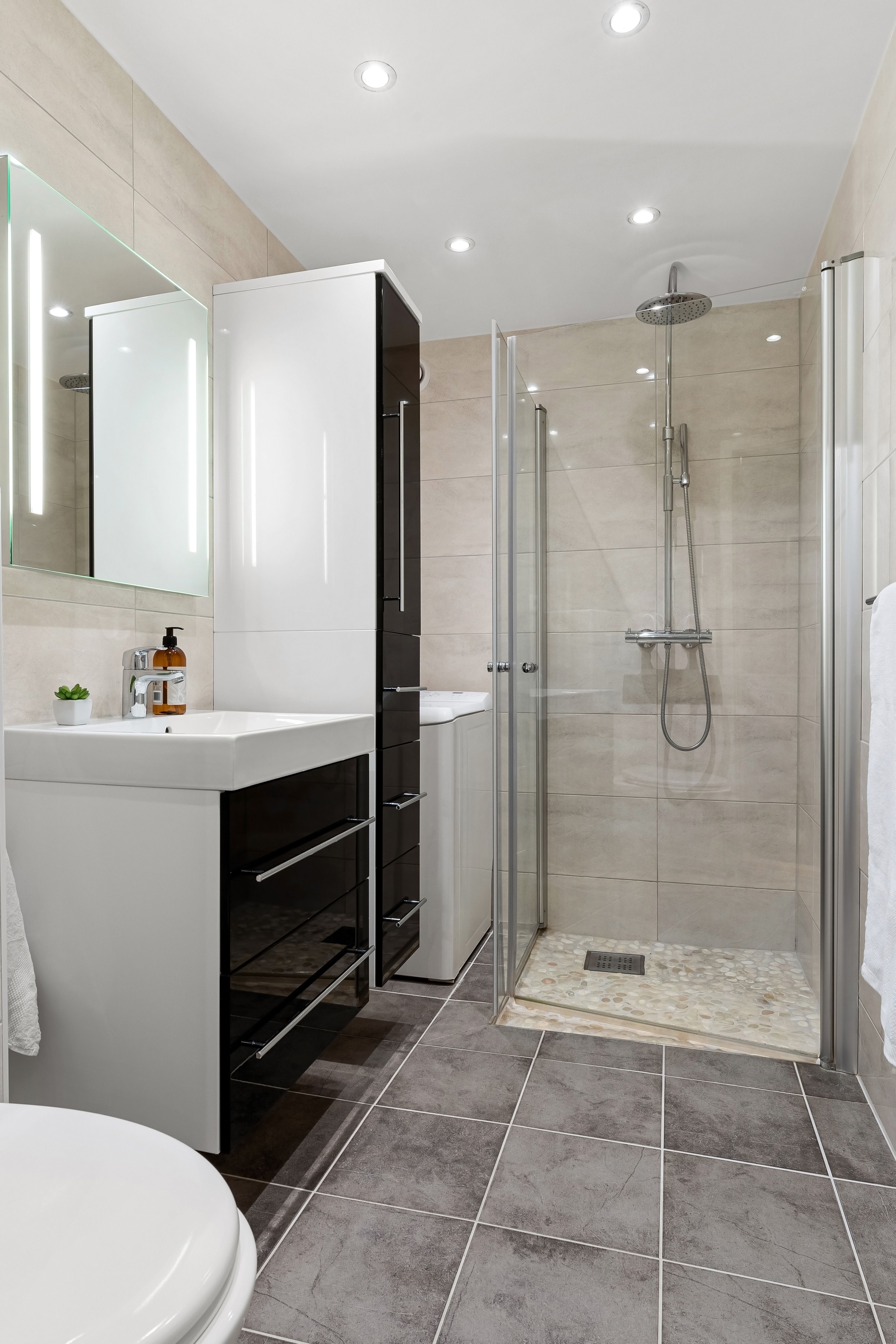
bathroom storage

Lighting Affects More Than Visibility
Bathroom lighting can change the appearance of colours, tiles and surfaces, as well as affecting how comfortable the room feels. Relying on one central light may leave areas around the mirror or shower less practical.

A combination of general and task lighting can provide better coverage. Lighting around the basin is particularly useful for grooming, while softer illumination elsewhere can create a more relaxed atmosphere. Natural light should also be considered during the design process. If the bathroom has a window, think about how the layout, mirrors and finishes can make the most of the daylight available.

Don't Ignore Ventilation
Ventilation may not be the most exciting part of a renovation, but it can have a major effect on the room over time. Showers and baths create moisture, which needs to be managed properly to help reduce condensation and protect the bathroom environment.

An effective ventilation system should be considered alongside the overall layout rather than added as an afterthought. Its position, operation and relationship with windows and other features can all affect how effectively moisture is removed.

Small Details Can Pull Everything Together
Once the major choices have been made, smaller details can determine whether the finished bathroom feels considered. Taps, handles, mirrors, heated towel rails and accessories all contribute to the overall appearance.

Using related finishes can create a sense of continuity. For example, coordinating metal finishes across taps, handles and other hardware can make separate elements feel like part of the same design. However, there is no need for everything to match perfectly. A carefully chosen contrast can add interest, provided it works with the wider colour and material palette.

Think About the Finished Room as a Whole
A successful bathroom renovation comes from decisions that support one another. A beautiful tile scheme won't compensate for a poor layout, just as clever storage won't solve a room that lacks suitable lighting or ventilation.

The most useful approach is to consider the bathroom as one complete space from the beginning. Look at how the layout affects plumbing, how fittings affect storage, how tiles work with lighting and how every choice contributes to everyday use.

By making these decisions carefully before the work begins, you can avoid unnecessary compromises and create a bathroom that looks good, functions properly and continues to suit your needs long after the renovation is finished.

22:19 No comments
Selling a home is about more than putting a property on the market and waiting for enquiries to arrive. Today's buyers often begin their search online, browsing photographs, floorplans, videos and social media before deciding which properties deserve a closer look. For homeowners, this means choosing an estate agent with two important qualities: genuine knowledge of the local property market and the ability to market a home effectively across modern digital channels.

Local expertise can help an agent understand neighbourhoods, buyer demand, pricing and the features that make one property stand out. Meanwhile, professional photography, video, property portals, email marketing and social media can help ensure that a home reaches the widest relevant audience.

estate agent new house keys

With that in mind, here are five UK estate agencies that demonstrate different approaches to combining local property knowledge with contemporary marketing. This isn't a best-to-worst ranking; each agency has its own geographical strengths, services and style.

1. Marco Harris – Hampshire and the South Coast
For homeowners in Hampshire and surrounding areas, Marco Harris takes a particularly marketing-led approach to residential property sales. The independent agency has a presence in Hamble-le-Rice, with its Park Gate office serving the surrounding area. Its approach places considerable emphasis on understanding the individual property and developing a tailored campaign rather than relying on a standard listing. 

For sellers considering their options, the agency's Hamble-le-Rice presence is a useful example of how local knowledge and presentation can work together. Homeowners looking for the top estate agents in Hamble-le-Rice
 can explore an approach that combines residential sales expertise with digital property marketing.

Photography is a major part of its offering, alongside lifestyle photography, floorplans and video. Depending on the package selected, sellers can also access walk-through video tours, social media campaigns, cinematic video production and drone photography or videography. Properties are also promoted through major portals including Rightmove and Zoopla. This combination is particularly relevant in a market where a property's first impression is increasingly made on a phone or laptop. Rather than treating marketing as an afterthought, Marco Harris presents it as a central part of the sales process.

2. Hamptons – London and the South East
Hamptons has a substantial presence across London and the South East, giving sellers access to established local teams alongside a wider property network. One of the useful aspects of its approach is the emphasis on creating a marketing strategy around the individual property. Depending on the circumstances, this can include a conventional launch, open house or off-market approach. 

Photography and video are also important components. Hamptons notes that most buyers begin their house-hunting journey online, making good visual presentation particularly valuable. Its guidance around property filming highlights how video tours can give prospective buyers another way to explore a property before arranging a physical viewing. 

For sellers, the agency also provides advice around preparing a home for photography, including decluttering, creating a bright and spacious appearance and ensuring the property is presented consistently for viewings. Its wider seller services include property management, surveying, mortgages and finance, residential investments and development consultancy, making it an option for homeowners whose property requirements extend beyond a straightforward sale. 

3. Andrews – Bristol, Bath and the South West
Andrews has a long-standing presence in the South West, including Bristol, Bath and surrounding areas. For homeowners, one of the notable features of Andrews' approach is its focus on making sellers think beyond the headline valuation. The agency advises homeowners to consider the complete marketing package, including where the property will be advertised, the quality of photography and floorplans, and whether the agent provides useful online tools. 

Its seller guidance highlights exposure across major property websites such as Rightmove, Zoopla and PrimeLocation, alongside professionally produced marketing materials, photography and detailed floorplans. Andrews also has specialist experience in new homes. Its Bristol and Bath New Homes operation has been selling developments in the region for more than 15 years and provides sales and marketing services to developers. 

That combination of regional familiarity and structured marketing can be useful for sellers who want their agent to understand not just how to advertise a property, but also how to position it within its particular local market.

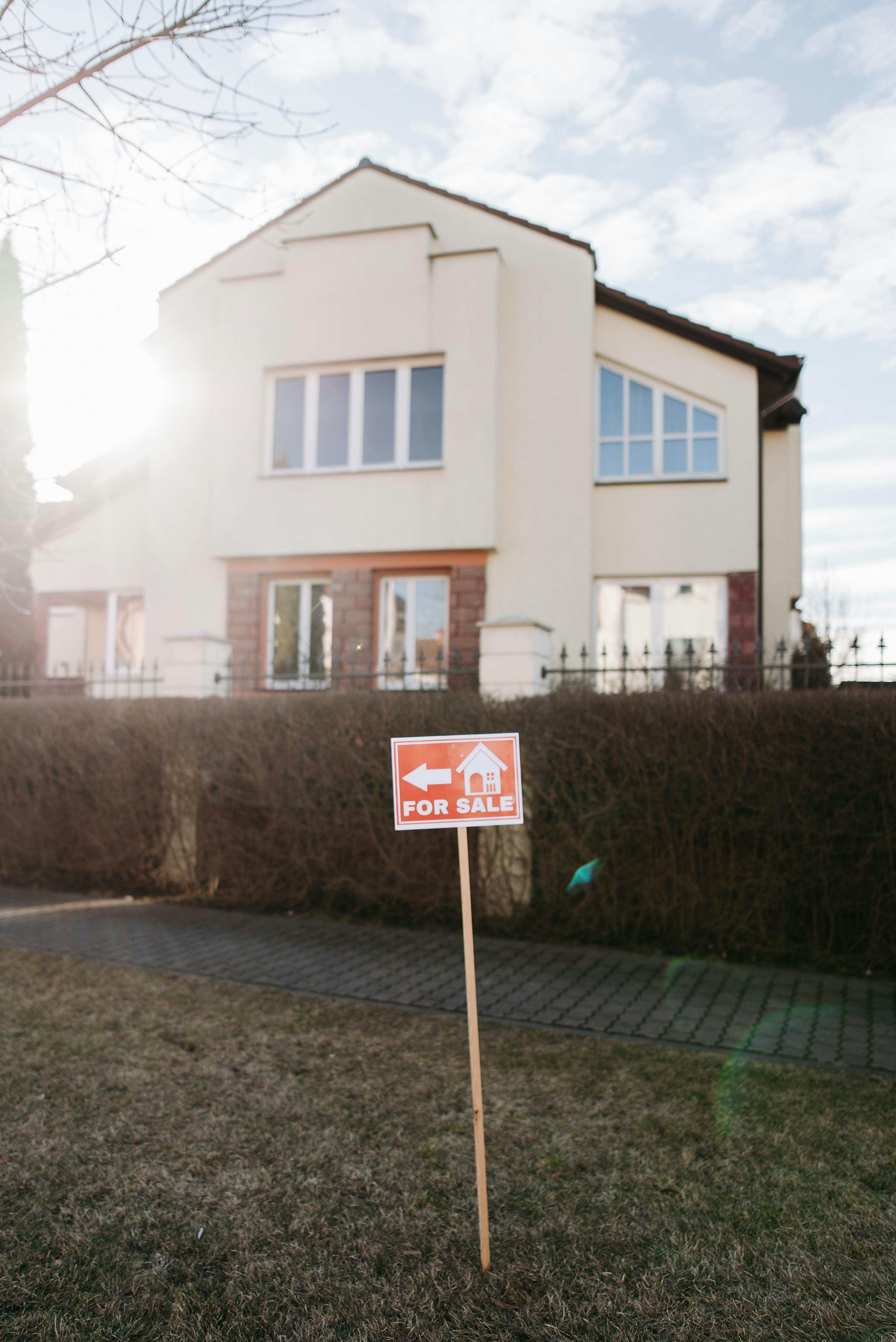
estate agent house for sale

4. Rettie – Edinburgh and Scotland
In Scotland, Rettie provides an example of an agency combining detailed regional knowledge with a broad digital marketing strategy. Its Edinburgh office is based in the city's New Town and covers residential sales alongside country houses, farms, estates and new homes. The agency also has teams operating across rural Scotland and other Scottish locations. 

For sellers, Rettie describes a marketing process that can include professional photography, floorplans, video and online promotion. It also uses active buyer databases and targeted social media to help properties reach relevant audiences. Its digital strategy extends into social platforms, with the agency discussing the use of Instagram Reels and TikTok alongside more traditional property marketing. There is also an important local consideration for anyone selling in Scotland: the Home Report. Rettie can advise sellers on the process and incorporate the report into the wider sales journey. 

For homeowners, this illustrates why local expertise still matters even as property marketing becomes increasingly digital. The platforms may be national or international, but the selling process and buyer expectations can vary considerably from one part of the UK to another.

5. House & Heritage – Lancashire and Cheshire
For homeowners in the North West, House & Heritage offers a more design-led approach to property presentation. The independent agency focuses particularly on characterful and design-conscious homes in Lancashire and Cheshire, combining local exposure with broader visibility. Its marketing strategy includes professional photography, compelling property descriptions and short-form social media video. 

One distinctive feature is its use of editorial-style marketing. The agency promotes selected properties through lifestyle and regional publications, including titles such as Lancashire Life and Cheshire Life, while also using social media campaigns to encourage engagement and sharing.

It also works with a wider network that can provide access to London-based buyers, which may be useful for sellers whose properties could appeal to people relocating out of the capital. For homeowners with a property where architecture, interiors or lifestyle appeal are particularly important, this type of storytelling can complement the practical information buyers expect from a standard property listing.

What Should Sellers Look For?
These five agencies demonstrate that modern estate agency can take many forms. However, there are several questions worth asking before choosing an agent.

First, how well do they understand your particular area? Local knowledge can influence pricing advice, buyer targeting and how the property's location is presented. Next, consider how your home will actually be marketed. Professional photography, floorplans and strong descriptions remain important, while video, social media and targeted digital campaigns can provide additional ways to attract attention. Finally, look at the service beyond the initial listing. Ask about communication, viewings, negotiations, buyer databases and what happens once an offer has been received.

The strongest property marketing doesn't necessarily mean the biggest advertising budget. It means understanding the home, identifying the likely audience and presenting the property in a way that makes people want to find out more. For homeowners, that combination of local expertise, thoughtful presentation and modern digital marketing can make the process of selling feel considerably more focused and informed.
21:12 No comments
 A beautiful, lush green lawn is a classic part of a British garden. But keeping it looking good can feel like a constant battle. Many of us dream of a perfect patch of green to enjoy in warmer weather, without spending every weekend working on it. 

The good news is, getting a healthy lawn isn't about hard work; it's about smart work. If you understand a few key things, you can create a beautiful outdoor space with much less effort than you might think.

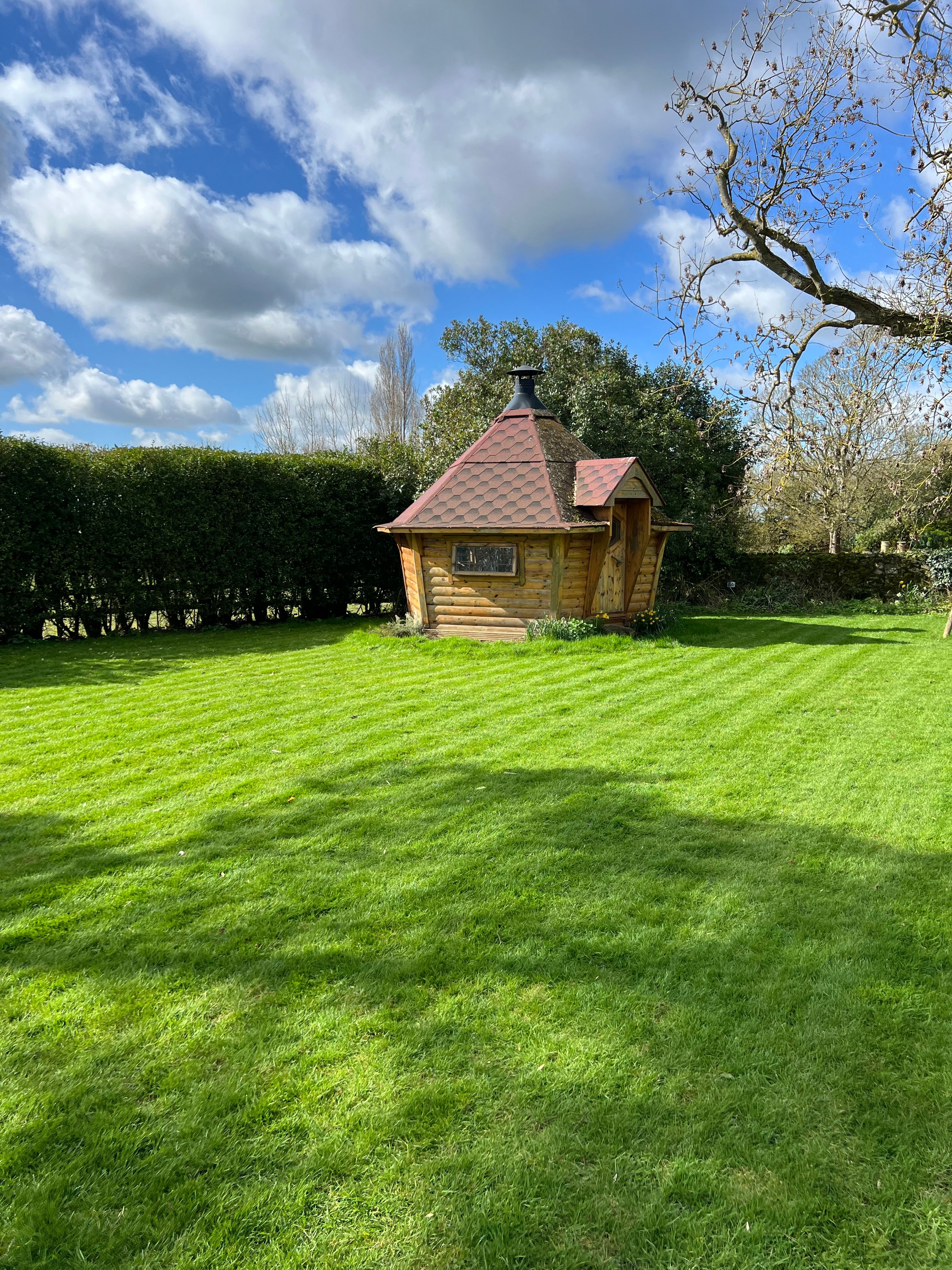
green garden lawn

Start With Healthy Soil
Before you even think about grass seed or when to mow, the real secret to a great lawn is what's underneath. Healthy soil is the base for everything that grows in it. If your soil is packed down, lacks nutrients, or has the wrong pH, your grass will struggle no matter what you do.

First, figure out what kind of soil you have. You can buy a simple soil testing kit online or at a garden centre. These kits tell you the pH level (if your soil is acidic or alkaline) and if it's missing any nutrients. Most grasses like soil that's slightly acidic to neutral, around 6.0 to 7.0. Once you know what your soil needs, you can start to improve it.

One of the best things you can do for your lawn's soil is to aerate it. This means making small holes in the soil so air, water, and nutrients can reach the roots. For small lawns, a garden fork works perfectly. Just push it into the ground every few inches. For bigger areas, you might want to rent a mechanical aerator. After aerating, it's a great time to spread a thin layer of organic matter, like compost, over the surface. This will enrich the ground and help you get healthy soil that supports strong, resilient grass.

Choosing the Right Grass
Not all grass is the same. Picking the right type for your garden's specific conditions is super important for a lawn that doesn't need a lot of looking after. Think about your garden's environment. Is it mostly sunny, or does it have shady spots? Does the lawn get a lot of use from kids and pets, or is it just for show?
In the UK, most grass seed mixes combine different types of grass, each with its own strengths.

Perennial Ryegrass: This grass is tough and grows fast. It's great for family lawns that get a lot of activity.

Fescue Grasses: There are a few kinds of fescue. Some are very fine and make a beautiful, bowling-green look, while others handle shade and dry conditions better.

Bentgrass: Often used for golf greens, this grass creates a dense, perfect carpet but needs more care.

For most general family lawns, a mix with durable ryegrass and fescues is a fantastic choice. When you're overseeding a patchy lawn or planting grass for a new lawn, read the packaging carefully to find a mix that fits your needs. A shady lawn mix will have more shade-tolerant fescues, while a hard-wearing mix will have lots of ryegrass. Making the right choice from the start will save you a lot of hassle later on.

Smart Mowing for Perfection
How you mow your lawn really affects how healthy and good it looks. Many people cut the grass too short, thinking it means they won't have to mow as often. But this actually weakens the grass, making it more likely to get weeds and suffer in dry weather. A good rule is to never cut off more than one-third of the grass blade's height in one go.

Keeping the grass a bit longer encourages deeper roots, which makes the lawn tougher. It also helps shade the soil, which stops weeds from growing. How often you mow is just as important. Mowing regularly makes the grass grow thicker, creating that nice dense, carpet-like look. For most of the growing season, this might mean mowing once a week.

Being consistent is key to perfect mowing, and modern tech has made this much easier. For the easiest, most consistent mowing, a robotic lawn mower does the job for you, trimming the grass a tiny bit every day. This process, called mulching, puts fine clippings back into the soil, where they act as a natural fertiliser. It's the perfect example of working smarter, not harder. Finally, make sure your mower blades are sharp. Dull blades tear the grass instead of cutting it cleanly, leaving ragged edges that can turn brown and get diseased.

lawn mowed garden

Watering Wisely and Weeding Less
A healthy, thick lawn is your best defence against weeds. When grass plants are doing well and growing close together, there's not much room or light for unwanted weeds to take hold. Good watering and mowing are your main tools for getting this dense turf.

When it comes to watering, the best advice is "deeply and infrequently." A light sprinkle every day makes roots grow shallow, leaving your lawn vulnerable when it's dry. Instead, give your lawn a really good soak once a week during dry weather. This encourages roots to grow deeper into the soil looking for water, making the whole plant stronger and more resistant to drought. The best time to water is early in the morning. This lets the water soak in before the sun gets too hot and lowers the risk of fungal diseases that can pop up if the lawn stays wet overnight.

Even with the best care, a few weeds are bound to appear. The most effective way to deal with them is to pull them out by hand as soon as you see them, making sure you get the whole root. This is much easier when the soil is damp. Adopting these do-it-yourself lawn care habits will keep your lawn looking great without needing chemical treatments.

Seasonal Care Simplified
Your lawn's needs change with the seasons, but the care routine doesn't have to be complicated. A few key tasks done at the right time of year will keep your grass healthy all year long.

Spring: As the weather warms up, your lawn will start growing again. Give it its first cut on a high setting. This is also a good time to put down a spring lawn feed, which has lots of nitrogen to encourage lush, green growth.

Summer: This season is all about keeping things going. Mow regularly, remembering not to cut it too short, especially during hot, dry spells. Water deeply once a week if there hasn't been enough rain.

Autumn: This is probably the most important season for lawn care. It's the perfect time to rake out any thatch (the layer of dead grass and moss) with a process called scarifying. You should also aerate the lawn again to loosen up any soil that's become compacted over the summer. Afterwards, apply an autumn lawn feed. This has less nitrogen and more potassium to strengthen the roots for the winter ahead. These steps are crucial for maintaining quality turf year after year.

Winter: The lawn is mostly resting now. The main rule is to try to stay off it, especially when it's very wet or frozen, as this can damage the grass and compact the soil. Keep it clear of leaves so light and air can reach the grass.

A beautiful lawn doesn't need endless hard work. By focusing on building healthy soil and picking the right grass, then following simple, smart routines for mowing, watering, and seasonal care, you can enjoy a gorgeous green space that's a source of pride, not stress.

20:02 No comments
 Traveling can be a hassle and expensive, so sometimes the best way to relax is to just stay home. But a great staycation isn't just about taking time off work. To really unwind and recharge, you need to turn your home from a place of daily chores into a true escape. With a little smart planning, you can make your house a staycation destination that feels just like a fancy hotel.

luxury home garden

Designing a Relaxing Retreat
First, make your space feel like a holiday. Start by decluttering and cleaning thoroughly, just like you'd expect in a spotless hotel room. Clear off surfaces that usually collect mail, work papers, and general mess. Swap out your everyday sheets for your best set, or treat yourself to some luxurious new bedding.
The right atmosphere makes all the difference. Dim the main lights and use lamps and candles to create a soft, warm glow in the evenings. Bring in calming scents with diffusers, essential oil burners, or scented candles. Lavender, chamomile, and sandalwood are all great for helping you relax. The idea is to use all your senses to make your staycation space feel totally different from your usual home.

Elevating Your Outdoor Space
If you have a garden, patio, or even a small balcony, think of it as your private resort. Turning it into an outdoor living area retreat can really change things. Get some comfy seating, like an outdoor sofa or cushioned loungers, where you can read or soak up the sun. An outdoor rug can help define the space and make it feel more like an actual room.

Don't let the sun setting stop your outdoor fun. Hang up some fairy lights or solar lanterns to create a magical vibe after dark. A small fire pit or chiminea can keep you warm and be a cozy spot for cooler evenings, perfect for enjoying a quiet drink and some conversation.

The Appeal of a Pristine Swimming Pool
For those lucky enough to have one, a swimming pool is the ultimate staycation luxury. It's a central spot for both relaxing and having fun, offering a cool escape on a warm day. To get that five-star resort feel, the water needs to be sparkling, clear, and inviting. Skimming leaves and checking chemicals can feel like a chore when you're supposed to be relaxing.

Making sure your pool is perfect before your staycation starts is key. You want to spend your time floating on a lilo, not messing with filters. Many homeowners find that hiring a professional pool cleaning service beforehand takes away all the stress, leaving you free to just enjoy a perfect, crystal-clear swim.

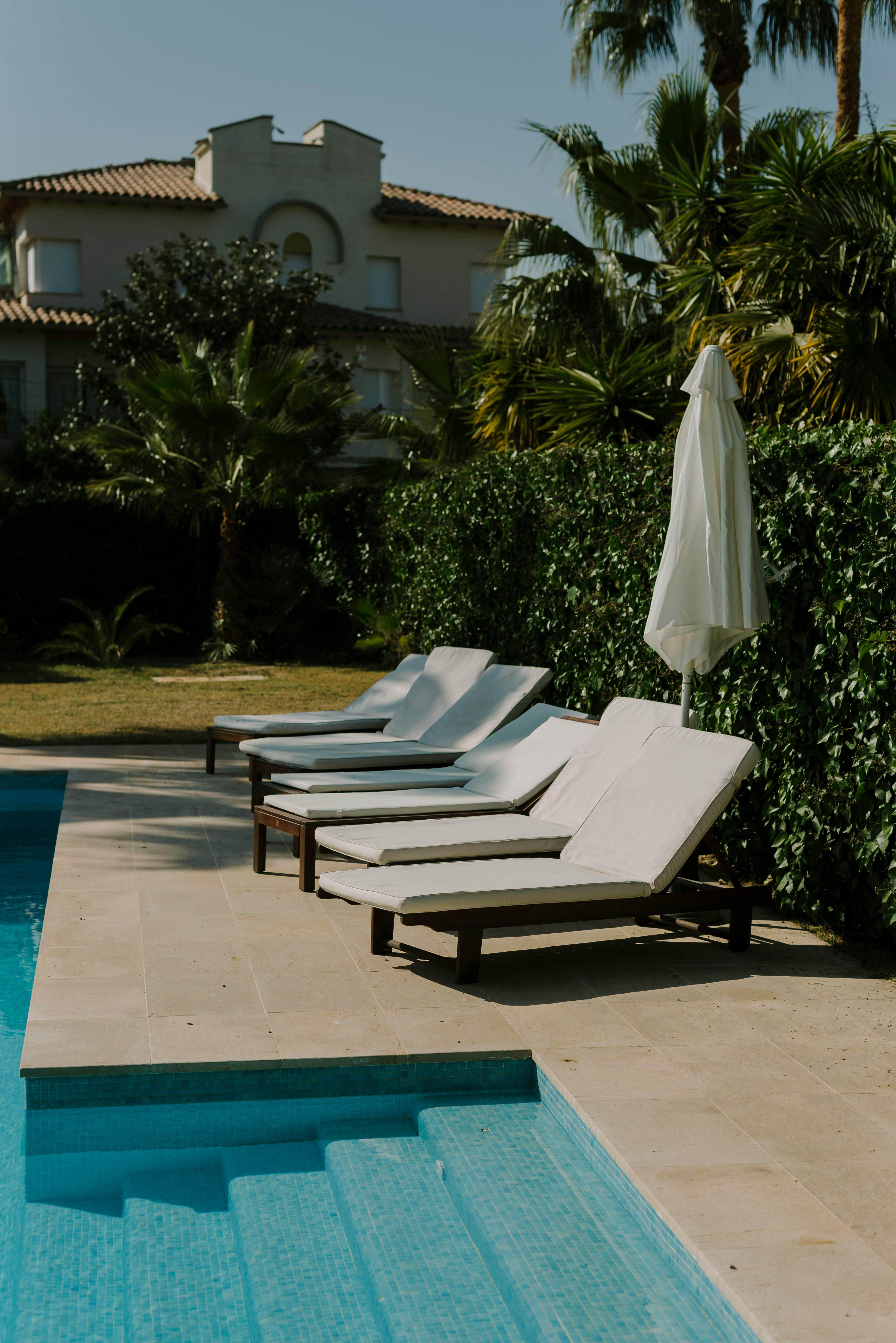
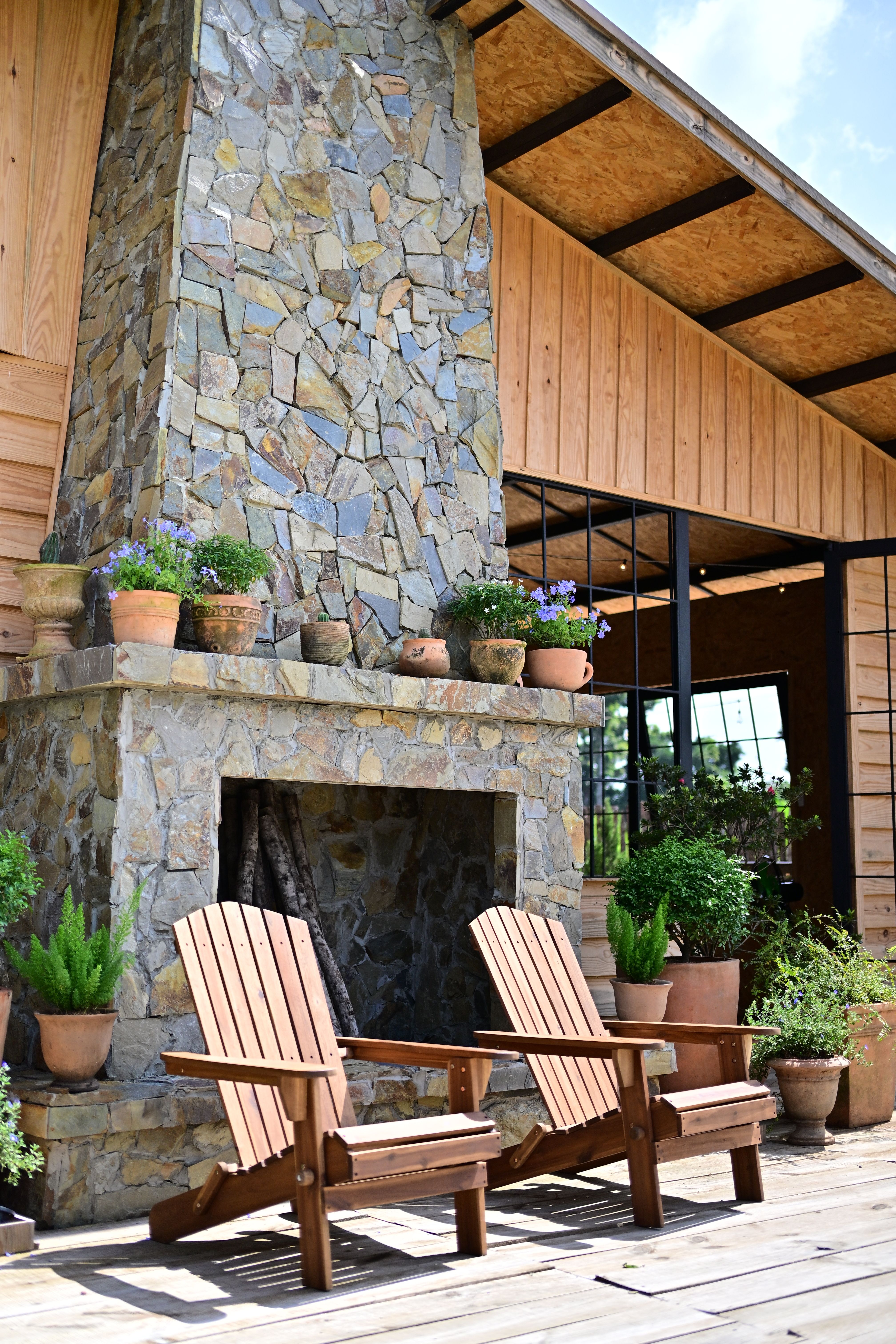
lounge chairs staycation home
Image Credit: Unsplash

Creating Spa-Like Bathrooms
You don't need a full renovation to make your bathroom feel like a spa. Even small changes can have a big impact. Start by clearing away all those half-empty plastic bottles and everyday clutter from around the bath and sink. Put them away and replace them with a few carefully chosen, beautiful products in nice packaging.
Get a new set of soft, fluffy white towels and a plush bathmat. A wooden bath caddy is perfect for holding a book, a tablet, or a glass of wine while you soak. Add a waterproof Bluetooth speaker for some relaxing music or a podcast, light a candle, and pour some Epsom salts or bath oils into the water for a truly luxurious experience. A few green plants, like a fern or a peace lily, can also thrive in the humid air and add a touch of nature.

Gourmet Dining Experiences at Home
Part of the fun of being on holiday is enjoying delicious food you didn't have to cook yourself. While you can order takeaways, you can also make your dining experience at home feel special. Plan a few unique meals for your staycation. This could be the perfect time to finally try that complicated recipe you've been saving for ages.

Make an event out of it. Set the table with your best dinnerware, use cloth napkins, and light some candles. You could plan themed nights, like a tapas evening with sangria or a pizza night where everyone makes their own. It's less about the cooking itself and more about creating a memorable dining experience that feels different from your usual weeknight dinner.

Focusing on creating these special moments helps you enjoy all the benefits of a holiday without ever leaving your front door.

20:25 No comments
 The rental market remains active throughout the year, but demand is rarely consistent from one season to the next. Factors such as school holidays, university terms, weather, employment patterns and even the festive period can all influence when tenants choose to move home.

For landlords, understanding these seasonal trends can make it easier to plan maintenance, market properties effectively and reduce costly void periods. While there is no guarantee that every year will follow the same pattern, recognising common trends can help landlords make more informed decisions and maximise the potential of their investment.

home buying rentals

Spring: A Popular Time for Moving
Spring is often considered one of the busiest periods in the property market, and the rental sector is no exception. As the weather improves and the days become longer, many people begin searching for a new home. Families often aim to secure a property well before the next academic year, while professionals may choose to relocate after the quieter winter months.

For landlords, spring can be an ideal time to:
● Refresh décor after winter.
● Carry out external maintenance.
● Arrange professional photography.
● Launch new property listings.
● Complete garden improvements.

Properties that look bright, clean and well-maintained often attract greater interest during this busy period.

Summer: Strong Demand Continues
The summer months frequently remain active, particularly in areas with good transport links and strong employment opportunities. Graduates starting new jobs, families moving during school holidays and professionals relocating for work all contribute to sustained demand.

Summer also provides favourable conditions for completing larger maintenance projects such as:
● Exterior painting
● Roof repairs
● Fence replacements
● Landscaping
● Window repairs

Completing these improvements while a property is vacant can reduce disruption for future tenants.

outdoor home design

Autumn: A More Measured Market
While activity may slow slightly after the summer, autumn continues to present opportunities for landlords. Many tenants who delayed moving during the holiday period resume their property search, while employers often recruit ahead of the end of the financial year.

Autumn is also a sensible time to prepare properties for colder weather by checking:
● Heating systems
● Boiler servicing
● Insulation
● Guttering
● External drainage
● Weatherproof seals around doors and windows

Addressing these areas early helps prevent maintenance issues developing during winter.

Winter: Preparation Becomes Key
The property market often becomes quieter during December and early January as many people focus on seasonal commitments. However, this does not mean landlords should simply wait for demand to increase again.

Winter offers an excellent opportunity to:
● Review rental performance.
● Plan refurbishment projects.
● Update marketing photographs.
● Schedule safety inspections.
● Review tenancy agreements.
● Prepare maintenance budgets.

Landlords who use quieter periods productively are often better prepared when demand increases again in the spring.

Timing Maintenance Strategically
One advantage of understanding seasonal demand is being able to plan maintenance more efficiently. Rather than waiting until problems become urgent, landlords can schedule preventative work during quieter periods when contractors may have greater availability.

Examples include:
● Repainting interiors
● Replacing flooring
● Upgrading kitchens or bathrooms
● Improving energy efficiency
● Servicing appliances
● Decorating communal areas

Regular investment helps keep a property competitive while reducing the likelihood of unexpected repair costs.

home renovations

Adjust Marketing Throughout the Year
Tenant priorities can vary depending on the season. During winter, prospective tenants may place greater emphasis on efficient heating, insulation and parking. In spring and summer, outdoor space, natural light and gardens often become more attractive selling points. Updating property descriptions and photographs to highlight seasonal strengths can improve engagement with prospective tenants. Professional photography taken during favourable weather can also continue to benefit marketing throughout the year.

Keep Communication Consistent
Regardless of the season, responsive communication remains one of the most important aspects of successful property management. Prompt replies to enquiries, efficient handling of maintenance requests and clear communication throughout the tenancy all contribute to a positive rental experience. 

Many landlords choose to work alongside a professional Letting Agent in Ongar to help manage enquiries, coordinate viewings and stay informed about changing local rental conditions throughout the year. Local market knowledge can prove especially valuable when seasonal demand begins to shift.

Think Beyond the Calendar
Although seasonal trends can influence rental activity, landlords should avoid relying solely on the time of year when making decisions. Factors such as property presentation, realistic pricing, local amenities and overall management standards often have a greater impact on attracting quality tenants than the season alone. Maintaining high standards throughout the year ensures that the property is always ready to be marketed whenever opportunities arise.

Planning Ahead Leads to Better Results
Successful landlords understand that effective property management is about planning rather than reacting. By recognising seasonal patterns, scheduling maintenance proactively and adapting marketing strategies to changing tenant priorities, landlords can improve occupancy rates and protect the long-term value of their investment.

Every property and every local market is different, but taking a structured approach throughout the year allows landlords to make confident decisions regardless of the season. In a competitive rental market, thoughtful planning and consistent management remain two of the most valuable tools for achieving sustainable, long-term success
13:25 No comments
Creating a home that feels stylish, welcoming and timeless is about much more than choosing the right paint colour. The materials you use throughout your interiors—from wallpaper and upholstery to curtains and soft furnishings—play a significant role in defining the character of your living space.

Whether you're renovating an entire property or simply refreshing one room, investing in quality materials can dramatically improve both the appearance and longevity of your décor. Premium finishes not only look more luxurious but also offer greater durability, making them a worthwhile investment for homeowners who want interiors that stand the test of time.

luxury wallpapers and fabrics

Why Quality Materials Matter

When decorating your home, it's often the finer details that make the biggest impact. High-quality wallpapers and fabrics feature superior craftsmanship, richer colours and more intricate textures than many mass-produced alternatives. The result is a space that feels elegant, sophisticated and carefully designed.

Luxury materials also tend to age better. Premium upholstery fabrics resist everyday wear more effectively, while well-made wallcoverings retain their finish and colour for years. Although the initial investment may be higher, choosing quality products often proves more economical over time thanks to their durability and timeless appeal. 

Choosing the Right Materials for Every Room

Each room has different requirements, so selecting suitable materials is key to achieving both style and practicality.

In living rooms, textured fabrics such as velvet, linen and wool add warmth while creating an inviting atmosphere. Pairing these with a feature wall can instantly elevate the space, giving it a more bespoke appearance. Bedrooms benefit from softer finishes that encourage relaxation. Neutral wallpapers, tactile cushions and floor-length curtains create a calming retreat while improving comfort and light control.

Dining rooms provide the perfect opportunity to be more adventurous. Statement wall coverings, rich upholstery and luxurious rugs can create an elegant setting for entertaining family and friends. For home offices, subtle textures and calming colours help establish a productive environment while maintaining a polished, professional look.

Luxury Interior Design Trends

Interior design trends continue to evolve, but several timeless styles remain popular with homeowners looking to create sophisticated spaces.

Natural textures such as linen, boucle and wool continue to dominate luxury interiors, bringing warmth and depth to modern homes.

Statement walls are also making a strong comeback. Rather than relying solely on paint, many homeowners are choosing designer wallpaper to introduce texture, pattern and personality into their living spaces. From subtle grass cloth finishes to bold contemporary prints, designer wallcoverings can completely transform a room while adding a sense of luxury.

Layering different materials is another key trend. Combining textured wallpaper with velvet cushions, woven throws and elegant curtains creates visual interest without overwhelming the room.

Earthy colour palettes, including warm neutrals, olive greens and terracotta tones, continue to offer a timeless foundation that complements a wide range of interior styles.

luxury home interior design

The Impact of Curtains, Rugs and Soft Furnishings

While walls often set the tone for a room, soft furnishings are what truly bring a design together. Bespoke curtains frame windows beautifully while helping to regulate natural light and improve insulation. Similarly, luxury rugs introduce warmth, define living areas and soften hard flooring.

Cushions, throws and upholstered furniture allow homeowners to layer colours and textures throughout the home without committing to a complete redesign. These finishing touches add comfort while creating a more cohesive and inviting interior.

The secret to successful interior design isn't filling a room with expensive pieces—it's choosing carefully considered materials that complement one another.

Creating a Cohesive Interior

One of the simplest ways to achieve a professionally designed look is to establish consistency throughout your home.

Start by selecting a colour palette that flows naturally from room to room. Introduce texture through fabrics rather than relying solely on bold patterns, and balance statement features with neutral elements to avoid overwhelming the space. Investing in timeless materials rather than following short-lived trends also helps ensure your interiors remain stylish for years to come.

Where to Source Luxury Interior Products

With so many online retailers available, finding authentic designer products can be challenging. Purchasing from specialist retailers ensures you're investing in genuine collections backed by expert knowledge and recognised design houses.

For homeowners looking to source premium designer fabrics or luxury wallcoverings, Studio 198 offers an extensive collection of carefully curated products from some of the world's leading interior brands. Their portfolio includes renowned names such as Armani Casa, Kvadrat and Ralph Lauren, making it easy to find high-quality materials suitable for both contemporary and traditional homes. As a family-run specialist, Studio 198 focuses on exceptional craftsmanship, authentic products and expert advice to help homeowners create beautiful, long-lasting interiors. 

Luxury interiors aren't about following every design trend—they're about choosing materials that combine beauty, functionality and longevity. Whether it's premium fabrics, statement wallpapers or carefully selected soft furnishings, investing in quality products can completely transform your home.

By selecting timeless designs and sourcing authentic products from trusted specialists, you'll create elegant spaces that not only look beautiful today but continue to impress for years to come.


20:31 No comments
Creating a stylish, high-end home doesn’t have to cost a fortune. With the rising cost of living in the UK, more people are looking for ways to decorate their homes on a budget without sacrificing style. The good news is that you can achieve a luxury look for less by making a few smart design choices and focusing on details that make a big impact.

In this guide, you’ll discover 10 budget home décor ideas that look expensive, all tailored for UK homes and budgets. Whether you’re decorating a small flat, a rented space, or simply refreshing your home, these ideas will help you upgrade your space without overspending.

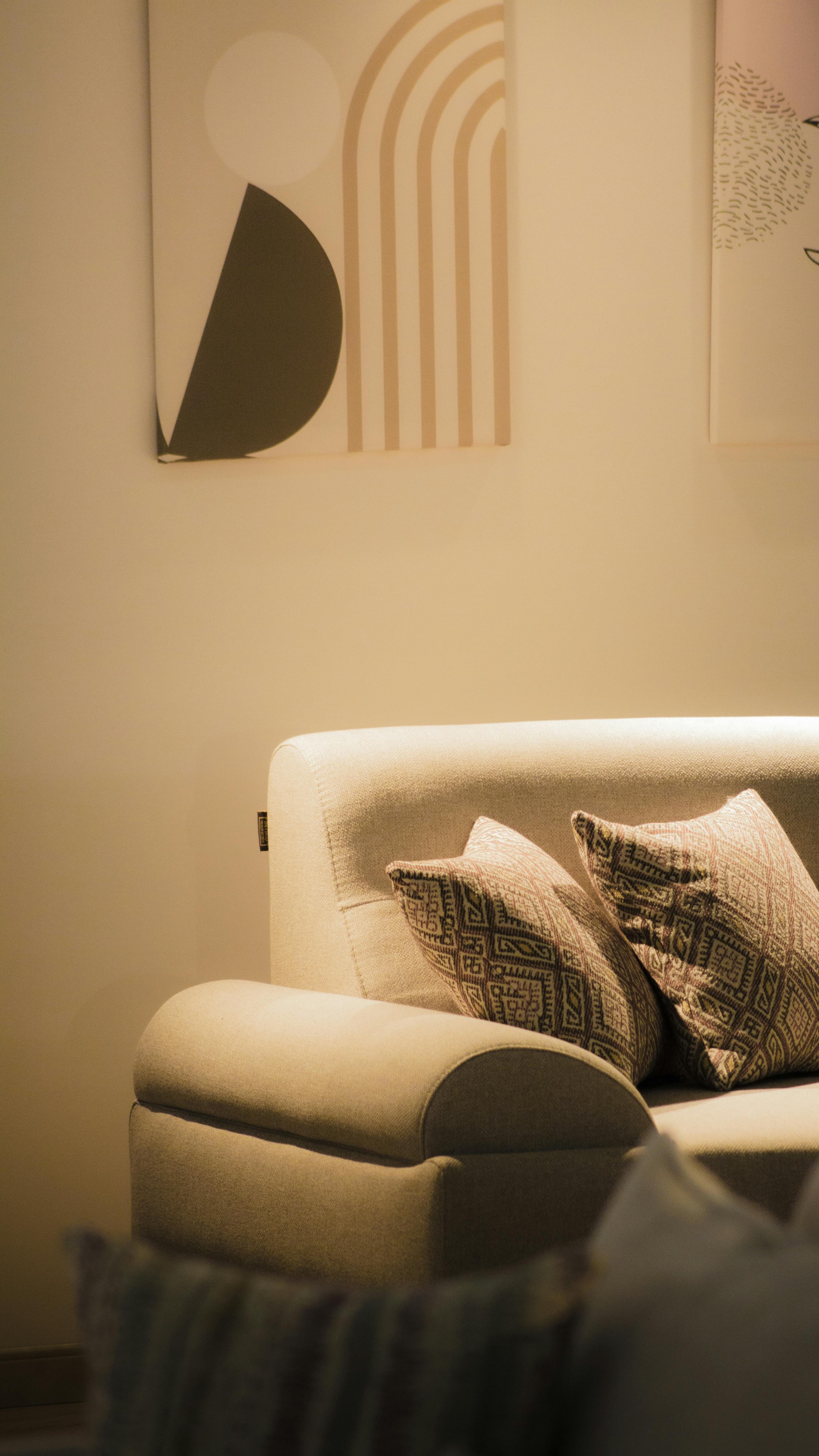
minimalist home decor

1. Use Neutral Colours for a Luxury Feel
One of the easiest ways to make your home look more expensive is by using a neutral colour palette. Shades like white, beige, cream, and soft grey create a clean and timeless look that feels calm and sophisticated. Neutral colours also make spaces appear larger and brighter, which is especially useful in smaller UK homes. You don’t need to repaint your entire house—adding neutral cushions, throws, or curtains can instantly elevate a room. This approach is widely used in high-end interiors because it creates a cohesive and polished aesthetic.

 2. Upgrade Your Lighting
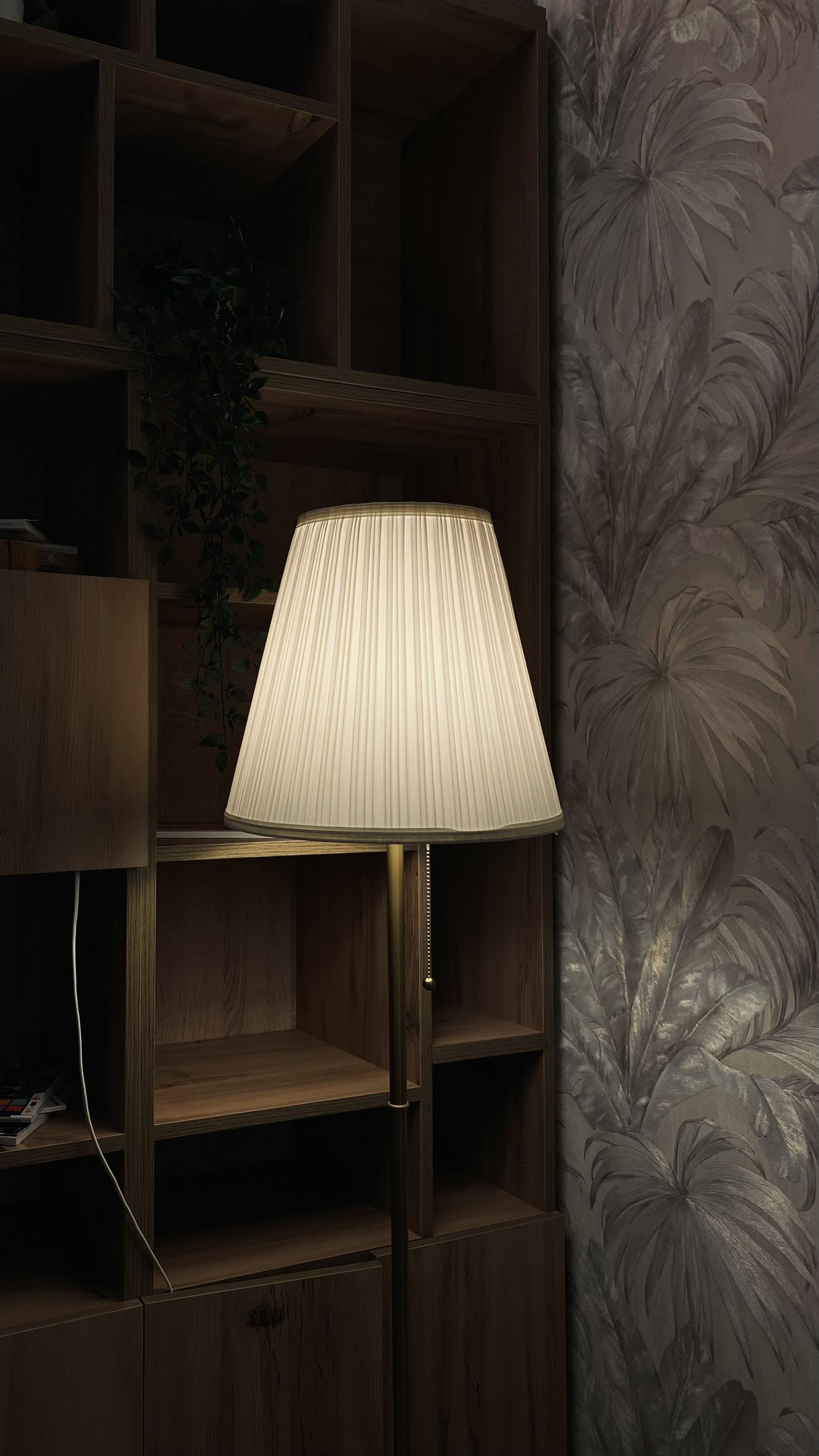
Lighting can completely transform how a room looks and feels. Many homes rely on a single overhead light, but adding layers of lighting can create a much more expensive atmosphere. Consider adding table lamps, floor lamps, or even warm LED bulbs to soften the space. Choosing warm lighting instead of harsh white light can make your home feel cosy and inviting. Affordable lighting options are widely available in the UK, and even a small upgrade can make a noticeable difference.

3. Add Large Mirrors to Create Space
Mirrors are a classic interior design trick used to make rooms feel bigger and brighter. A well-placed mirror reflects light and creates the illusion of more space, which is particularly helpful in smaller homes or flats. Large mirrors often look more expensive than smaller ones, and they can act as a statement piece in your room. You don’t need to spend a lot—many budget retailers in the UK offer stylish mirrors at affordable prices.

4. Declutter and Keep It Minimal
One of the biggest differences between a budget home and a luxury-looking one is clutter. Expensive interiors tend to be clean, organised, and minimal. Removing unnecessary items and keeping surfaces clear can instantly improve how your home looks. Focus on displaying a few well-chosen pieces rather than overcrowding your space. This doesn’t cost anything, but it can have one of the biggest impacts on your home’s overall appearance.

5. Invest in Cushions and Throws
Soft furnishings like cushions and throws are an easy and affordable way to upgrade your living space. Choosing textures like velvet, faux fur, or knitted fabrics can make your home feel more luxurious. Layering different cushions on your sofa or bed adds depth and interest, making the space look styled rather than basic. Stick to a consistent colour scheme to keep everything looking cohesive. This is one of the most popular budget home décor ideas in the UK because it’s quick, simple, and effective.

minimalist home decor

6. Use Artwork or Prints
Blank walls can make a home feel unfinished, but you don’t need expensive art to fix this. Affordable prints, posters, or even downloadable artwork can add personality and style to your space. Creating a small gallery wall or using a large statement print can make your home look more curated and high-end. Frames play a big role too—simple black, white, or gold frames tend to look more expensive. Artwork helps tie a room together and makes it feel complete.

 7. Upgrade Your Curtains
Curtains are often overlooked, but they can dramatically change the look of a room. Swapping out old or thin curtains for fuller, longer ones can instantly create a more polished and expensive feel. Floor-length curtains, in particular, add a sense of height and elegance. Choosing neutral or soft tones will help maintain a cohesive look. This is a simple upgrade that can make a big difference, especially in living rooms and bedrooms.

8. Add Greenery (Real or Fake)
Plants are one of the easiest ways to make your home feel more alive and stylish. Whether you choose real plants or high-quality artificial ones, greenery adds freshness and texture to any room. In the UK, where outdoor space can be limited, indoor plants are a great way to bring nature inside. Even a few small plants on shelves or a larger plant in the corner of a room can elevate your space. Plants are commonly used in luxury interiors because they soften the look of a room and add visual interest.

9. Upgrade Small Details
Sometimes it’s the smallest details that make the biggest difference. Swapping out basic items like cabinet handles, drawer knobs, or even light switch covers can subtly upgrade your home. These changes are relatively inexpensive but can give your space a more custom and high-end feel. Choosing finishes like matte black, brushed gold, or chrome can instantly modernise your home. Paying attention to these details helps create a more cohesive and intentional design.

10. Style Your Surfaces Thoughtfully
How you style your surfaces—such as coffee tables, shelves, and bedside tables—can make your home look professionally designed. Instead of leaving surfaces empty or cluttered, try grouping items in a simple, balanced way. For example, a stack of books, a candle, and a small plant can create a clean and stylish look. The key is to keep it minimal and intentional. This approach is often used in interior design to create a sense of order and elegance.

minimalist home decor

Why Budget Home Décor Works
You don’t need a large budget to create a beautiful home. In fact, many high-end interiors rely on simple principles like balance, texture, and consistency rather than expensive items. By focusing on these elements, you can achieve a similar look at a fraction of the cost. Budget home décor in the UK is all about making smart choices and knowing where to spend and where to save.

Tips for Decorating on a Budget in the UK
Shopping smart is key when decorating your home affordably. Many UK retailers offer stylish home décor at reasonable prices, especially if you look out for sales or discounts. Charity shops and online marketplaces can also be great places to find unique pieces. Another important tip is to take your time. You don’t need to decorate everything at once. Gradually adding pieces that fit your style will result in a more cohesive and personalised space.

 Final Thoughts
Creating a home that looks expensive doesn’t require a big budget—it just requires thoughtful choices and attention to detail. By using neutral colours, improving lighting, adding texture, and keeping your space organised, you can achieve a high-end look for less.

These budget home décor ideas are practical, affordable, and easy to implement, making them perfect for anyone looking to upgrade their home in the UK. With a bit of creativity and planning, you can transform your space into something that feels stylish, comfortable, and truly your own—without overspending.
08:00 No comments
 In today’s dynamic property market, understanding a home’s true value has never been more important. Whether buying, selling, or investing, accurate property valuations are essential for making informed decisions. As market conditions fluctuate, relying on professional insight can help homeowners and investors navigate pricing, competition, and long-term investment strategies effectively.

properties for sale market

Why Accurate Property Valuations Matter
A proper property valuation ensures that buyers do not overpay and sellers price their homes competitively. Overpricing a property can lead to a longer time on the market, while undervaluing can result in lost potential income. For investors, valuations are crucial when assessing potential returns or planning renovations.
Factors influencing valuations include the property’s size, condition, location, and recent market trends. Even subtle changes in the local area, such as new amenities or infrastructure improvements, can impact the value of a home.

How Market Trends Affect Valuations
Market conditions play a significant role in determining property values. In periods of high demand, prices tend to rise, making it more important for buyers to act quickly and for sellers to set realistic expectations. Conversely, in slower markets, accurate valuations help ensure properties remain attractive to potential buyers without undervaluing the asset.

Understanding trends such as changes in mortgage rates, regional development projects, or buyer preferences is essential. For example, homes offering additional features like outdoor space, energy-efficient upgrades, or flexible layouts are increasingly in demand, which can positively influence valuations.

The Role of Professional Advice
While online tools and automated estimates can offer a rough idea, nothing replaces expert local knowledge. Property professionals can provide detailed valuations based on comparable sales, neighbourhood insights, and current market conditions.

For those looking to buy or sell in areas such as East London, consulting an experienced estate agent in Hornchurch can offer guidance tailored to the local market. They can help identify properties that represent good value, advise on realistic pricing, and support negotiation processes.

Planning for a Successful Sale or Purchase
A well-informed approach to valuations allows both buyers and sellers to plan effectively. Buyers can secure mortgages with confidence, knowing the price reflects market realities, while sellers can market their property strategically to attract serious offers.

Accurate property valuations are a cornerstone of successful property transactions. By leveraging professional expertise and understanding market trends, buyers, sellers, and investors can make decisions that maximise value, minimise risk, and ensure long-term satisfaction in the property market.
21:44 No comments
 When it comes to updating your home, tiles are one of the most versatile materials you can use. Whether you’re planning to renovate a single room or give your entire home a makeover, the right tiles can make a significant difference. 

From bathroom floors to kitchen backsplashes, tiles offer endless possibilities to transform your space. This guide will walk you through some of the latest tile trends to help you create a fresh, stylish, and functional look for your home.

floor tiles

In this article, we’ll explore popular tile styles, materials, and colour trends, as well as how you can incorporate them into various areas of your home. Whether you’re working on a renovation project or simply upgrading a few rooms, these tips will inspire you to create a space that feels modern and welcoming. One place to find a variety of stylish options is at Go Tiles, where you can explore different tile selections for any room in your home.

1. Bold Patterns and Geometric Designs
One of the biggest tile trends at the moment is bold patterns and geometric shapes. These types of tiles can add a unique flair to any room. From large-scale geometric tiles to smaller, intricate patterns, you can choose designs that suit your personal taste and the style of your home.

Key benefits of bold pattern tiles:
● Visual interest: Adds an eye-catching feature to your space.
● Versatility: Works in almost any room, from bathrooms to living rooms.
● Customisation: Allows for creating a unique look through different shapes, colours, and sizes.

Geometric tiles can be used on the floor, as a backsplash, or even as feature walls. They work particularly well in modern and eclectic interior designs, adding an artistic touch to your space.


2. Natural and Earthy Tones
Natural, earthy tones have been making a comeback, especially for creating warm, inviting spaces. Shades like terracotta, beige, brown, and grey bring a touch of nature indoors, making them perfect for any space that aims to feel calm and grounded.

Why choose earthy tones:
● Relaxing atmosphere: Creates a serene, spa-like vibe.
● Timeless appeal: Earthy colours are classic and never go out of style.
● Easy to mix and match: Pairs well with other natural materials like wood and stone.

Incorporating earthy tones into your flooring, wall tiles, or accent pieces can create a relaxed environment, whether it’s in your kitchen, bathroom, or living room.

3. Large Format Tiles
Larger tiles are another trend that has gained popularity in recent years. Whether it's large floor tiles or large-format wall tiles, these oversized pieces can make a space feel more open and seamless. They work especially well in smaller areas, as the fewer grout lines help create the illusion of more space.

Benefits of large format tiles:
● Space-enhancing: Reduces visual clutter, making rooms appear larger.
● Low-maintenance: Fewer grout lines mean less cleaning and maintenance.
● Sleek, modern look: Creates a clean, minimalist aesthetic.

Large-format tiles are ideal for modern kitchens, bathrooms, and even open-plan living areas, offering a smooth, contemporary look without too much disruption to the design.

bold floor tiles

4. Subway Tiles with a Twist
Subway tiles have been around for decades, but they are experiencing a resurgence with a twist. Modern interpretations of this classic tile include unusual colours, sizes, and patterns that add personality and style to any room.

Creative ways to use subway tiles:
● Colour variations: Instead of traditional white, try matte black, navy blue, or even pastel shades.
● Vertical or diagonal patterns: These unconventional layouts can create visual interest and a sense of height in a room.
● Mixed materials: Combine subway tiles with other materials, such as marble or wood, for a more dynamic look.

Whether you're installing them as a backsplash or using them for feature walls, Go Tiles offers a wide selection of subway tiles that can transform your space creatively.

5. Eco-Friendly Tiles
Sustainability is a growing concern, and many homeowners are looking for ways to incorporate eco-friendly materials into their interiors. Tiles made from recycled materials, such as glass, porcelain, or even natural stone, can be an excellent choice for those wanting to reduce their carbon footprint.

Advantages of eco-friendly tiles:
● Sustainable sourcing: Made from recycled or renewable materials.
● Durability: Often longer-lasting, reducing the need for replacements.
● Energy-efficient: Certain eco-friendly tiles, like those with heat-reflective properties, help reduce energy consumption.

Eco-friendly tiles work beautifully in any room, and they contribute to a greener, more sustainable home.

Conclusion
Updating your home with the latest tile trends can breathe new life into your living space. Whether you opt for bold patterns, earthy tones, or large-format tiles, there are endless options to choose from. Remember to consider the functionality, maintenance, and style of the tiles you choose to ensure they complement the rest of your home’s décor.

By exploring different tile styles and incorporating them into your spaces, you can create a fresh and modern home that reflects your personality and meets your needs. Don’t forget to check out Go Tiles for a wide range of tiles to bring your vision to life.

FAQs
Q1: What are the best tiles for a small bathroom? 
A1: For small bathrooms, large format tiles and light colours can create the illusion of more space. Subway tiles with a modern twist or earthy tones also work well in compact areas.

Q2: Can I use bold-patterned tiles in a kitchen? 
A2: Yes, bold-patterned tiles can make an eye-catching backsplash or floor feature. They add personality and style without overwhelming the space.

Q3: How do I maintain large-format tiles? 
A3: Large-format tiles are easy to maintain due to fewer grout lines. Simply sweep regularly and wipe them down with a mild cleaning solution to keep them looking their best.

Q4: Are eco-friendly tiles durable? 
A4: Yes, many eco-friendly tiles, such as those made from recycled materials, are incredibly durable and long-lasting, making them a great sustainable option for your home.

Q5: Where can I find high-quality tiles for my home? 
A5: Go Tiles offers a wide selection of high-quality tiles for any room in your home, from modern patterns to eco-friendly options.
12:19 No comments
Older Posts Home

About me


Hello!
Welcome to lthornberry.co.uk, my personal corner on the internet where I write about all things lifestyle.

Please visit my contact page for sponsorships, collaborations and general enquiries.

Follow Me

Kudd.ly

Contact Form

Name

Email *

Message *

POPULAR POSTS

  • Primark PS Love Noir Perfume Review
  • Primark PS Love Rose Gold Women's Perfume Review
  • The Most Magical Family Disney Gifts for All Ages
  • 8 Simple Ways to Make Healthier Lifestyle Choices
  • 5 Things To Consider Before Getting Back Into Dating After a Long Break

Designed By | Distributed By Laura Thornberry 2021