
How To Build A Smaller, Better Everyday Wardrobe
Creating a wardrobe that feels stylish, practical and easy to wear is not about owning as many clothes as possible. In fact, having too many choices can make getting dressed more difficult, particularly when pieces have been bought without considering how they will work together.
A smaller, carefully planned wardrobe can offer far more flexibility. By focusing on dependable fabrics, comfortable fits and clothing that suits your everyday routine, you can create a collection that feels considered without becoming restrictive.
Why Quality Matters
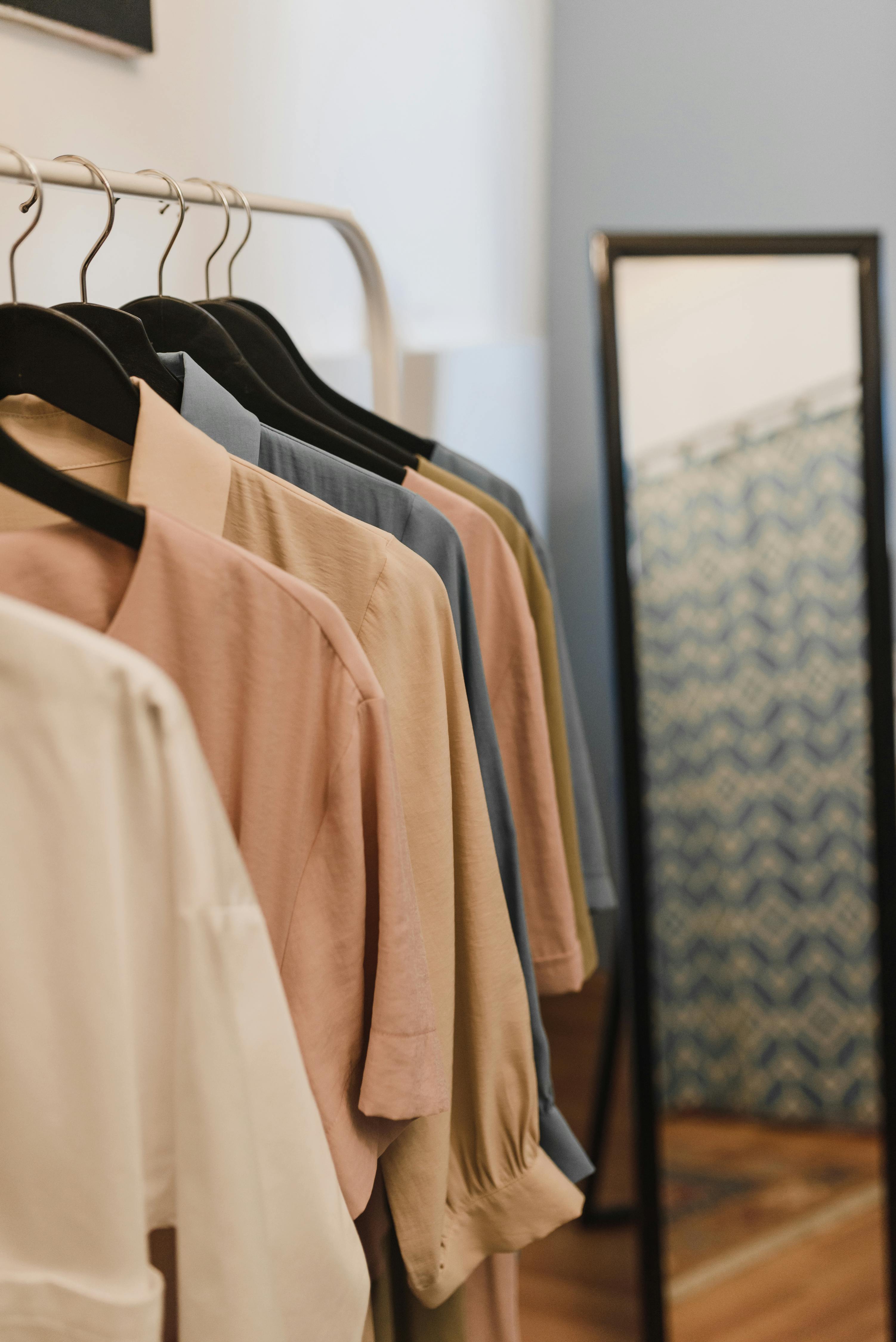
When choosing clothing, it is easy to be influenced by price, trends or how something appears in a photograph. However, the true value of a garment often becomes clear only after it has been worn and washed several times. Well-made clothing generally uses better fabrics, stronger construction and more considered finishing. These details can help garments retain their shape, colour and appearance for longer.
Quality should not be confused with luxury branding or high prices. A worthwhile purchase is something that fits comfortably, performs well and is worn regularly. A dependable jacket used throughout the year may provide much better value than several inexpensive alternatives that rarely leave the wardrobe.
Start With The Clothes You Already Wear
Before buying anything new, take a closer look at your existing wardrobe. The pieces you reach for most frequently can reveal a great deal about your genuine personal style.
Consider the colours, cuts and fabrics that appear repeatedly. You may discover that you naturally prefer relaxed trousers, heavyweight T-shirts and casual overshirts, even if other styles regularly catch your attention while shopping. It is also useful to identify clothing that is rarely worn and understand why. A garment may be uncomfortable, difficult to combine with other pieces or unsuitable for your daily routine. Recognising these patterns can prevent similar purchasing mistakes in the future.
Create Strong Wardrobe Foundations
The most effective wardrobes are usually built around a small selection of dependable pieces. These will vary according to your lifestyle, but they may include well-fitting jeans, plain T-shirts, casual shirts, knitwear and a practical jacket.
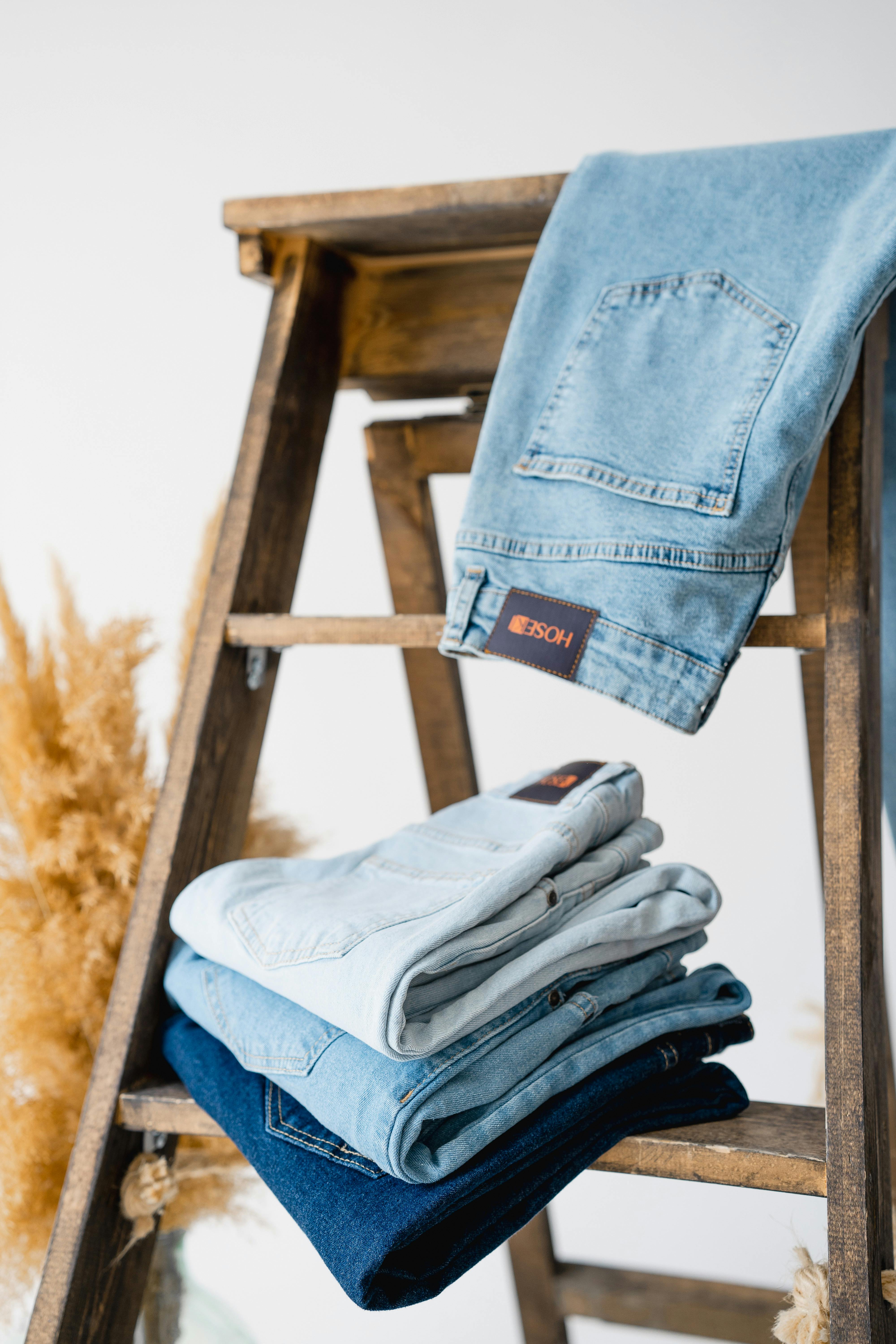
Denim is particularly useful because it can be styled in several ways and worn throughout most of the year. Established Japanese label EDWIN has produced denim since 1947, combining its heritage with modern washes and contemporary fits. A pair of EDWIN jeans can work with everything from trainers and a sweatshirt to boots, knitwear and a smarter jacket. The right jeans should complement your proportions and feel comfortable when sitting, walking and moving. Pay attention to the rise and shape through the leg rather than concentrating solely on the size printed on the label.
Focus On Fit And Fabric
Even the most attractive garment is unlikely to become a favourite if it does not fit properly. Clothing should allow natural movement without feeling restrictive, while still creating a shape that suits the person wearing it. Different brands can interpret the same labelled size in very different ways, so measurements and fit descriptions are often more useful than the letter or number on the tag. Where possible, try garments on or compare their measurements with clothing you already own and enjoy wearing.
Fabric is equally important. Cotton twill, denim, wool and substantial jersey fabrics often develop character with regular wear. Lightweight or technical materials may be more suitable for travel, warmer weather or an active routine. Think about how and when the garment will be worn. This will help you choose materials that are appropriate rather than simply appealing at first glance.
Choose Clothing That Works Harder
A smaller wardrobe depends on versatility. Ideally, each piece should work with several other garments you already own and feel appropriate in more than one setting.
Overshirts are a good example. They can be worn over a T-shirt during milder weather, beneath a coat in winter or as a lightweight jacket on cooler summer evenings. Relaxed trousers can also move easily between casual and slightly smarter outfits depending on the footwear and layers chosen. Practical clothing does not have to look overly technical. Climbing-inspired Gramicci clothing, for example, combines freedom of movement with relaxed shapes that suit everyday dressing. Its trousers and shorts can be worn for travelling, walking or casual weekends without looking out of place in the city. Choosing pieces that serve several purposes makes it easier to create different outfits without continually adding more clothing.
Build A Cohesive Colour Palette
Colour has a significant effect on how easily a wardrobe works together. A foundation of complementary shades makes it possible to combine garments without having to plan every outfit in advance. Navy, olive, grey, stone, ecru and darker shades of denim are versatile choices that work across different seasons. Brighter colours and patterns can then be introduced through T-shirts, knitwear or accessories.
This does not mean every wardrobe must be neutral. The aim is simply to establish enough consistency that new purchases complement what you already own. A distinctive piece becomes much more useful when it can be worn in several different ways.
Avoid Buying For An Imagined Lifestyle
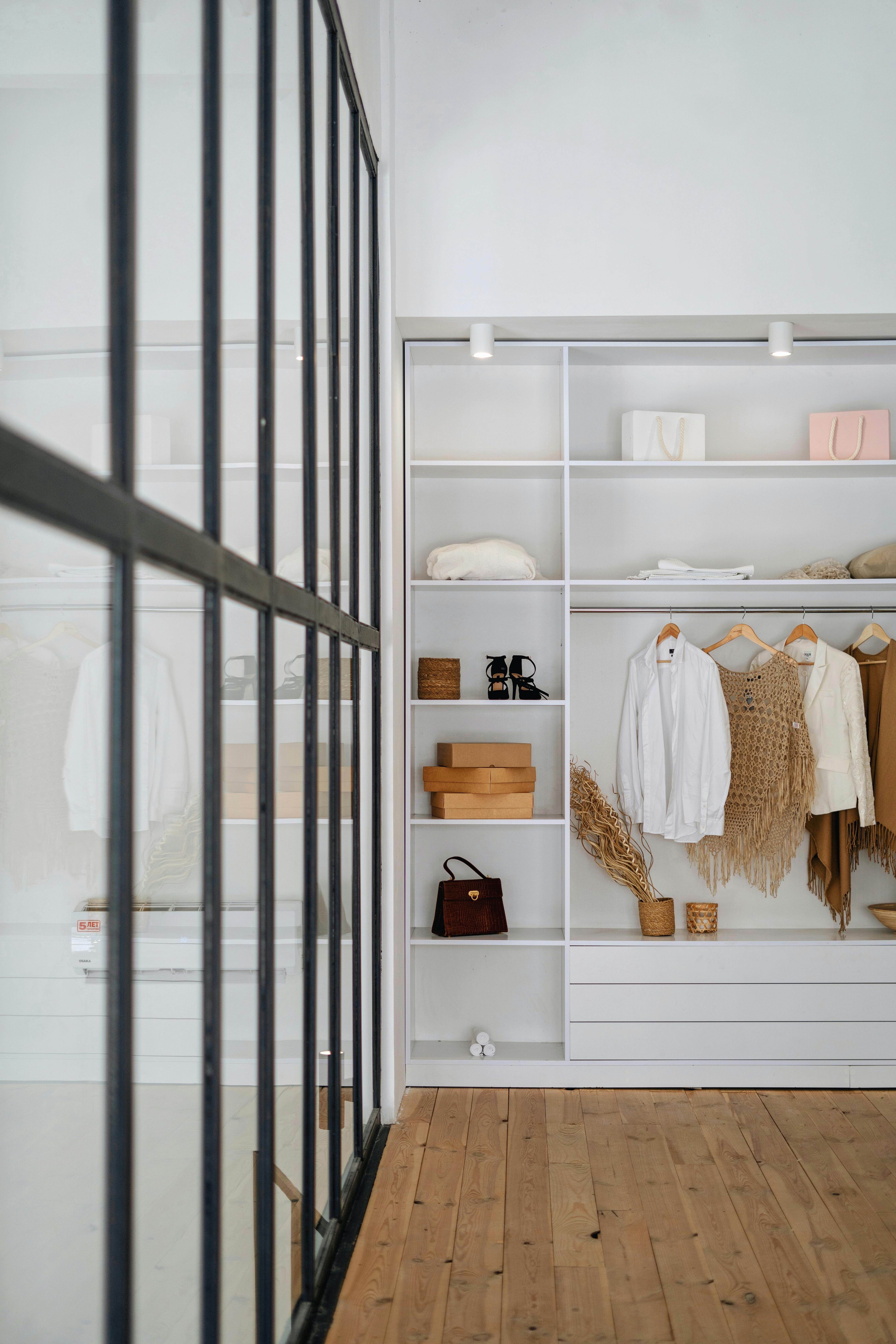
One of the most common wardrobe mistakes is buying for occasions that rarely happen. Smart jackets, statement footwear and formal clothing may be appealing, but they offer limited value if most of your time is spent in relaxed settings. Consider what an ordinary week genuinely looks like. You may require comfortable clothing for working from home, reliable layers for travelling and a few smarter pieces for meetings or evenings out. Building around your real routine does not make a wardrobe boring. It simply ensures that your budget is directed towards clothing you will actually enjoy and wear.
Take Care Of Your Clothing
Buying better clothing is only worthwhile if it is looked after properly. Following the care label, washing at suitable temperatures and avoiding unnecessary tumble drying can help garments retain their fit and finish. Denim does not usually require washing after every wear, while knitwear is often better folded than hung. Coats and jackets should be given time to dry naturally before being stored, particularly after being worn in wet weather. Minor damage should also be addressed early. Replacing a button or repairing a small seam can prevent a perfectly wearable garment from being forgotten or discarded.
Buy More Thoughtfully
A smaller, better wardrobe does not need to be created all at once. It is usually more effective to build it gradually, adding pieces only when they fill a genuine gap. Before making a purchase, consider whether the garment suits your lifestyle, works with your existing clothes and is likely to be worn regularly. Taking a little more time over each decision can lead to a wardrobe that is easier to use and more representative of your personal style.
The goal is not to own the fewest clothes possible. It is to own the right clothes: pieces that feel comfortable, work together and continue to earn their place in your wardrobe long after their first wear.



0 comments