
Gardening Made Easy: Effortless Tips for a Beautiful Lawn
A beautiful, lush green lawn is a classic part of a British garden. But keeping it looking good can feel like a constant battle. Many of us dream of a perfect patch of green to enjoy in warmer weather, without spending every weekend working on it.
The good news is, getting a healthy lawn isn't about hard work; it's about smart work. If you understand a few key things, you can create a beautiful outdoor space with much less effort than you might think.
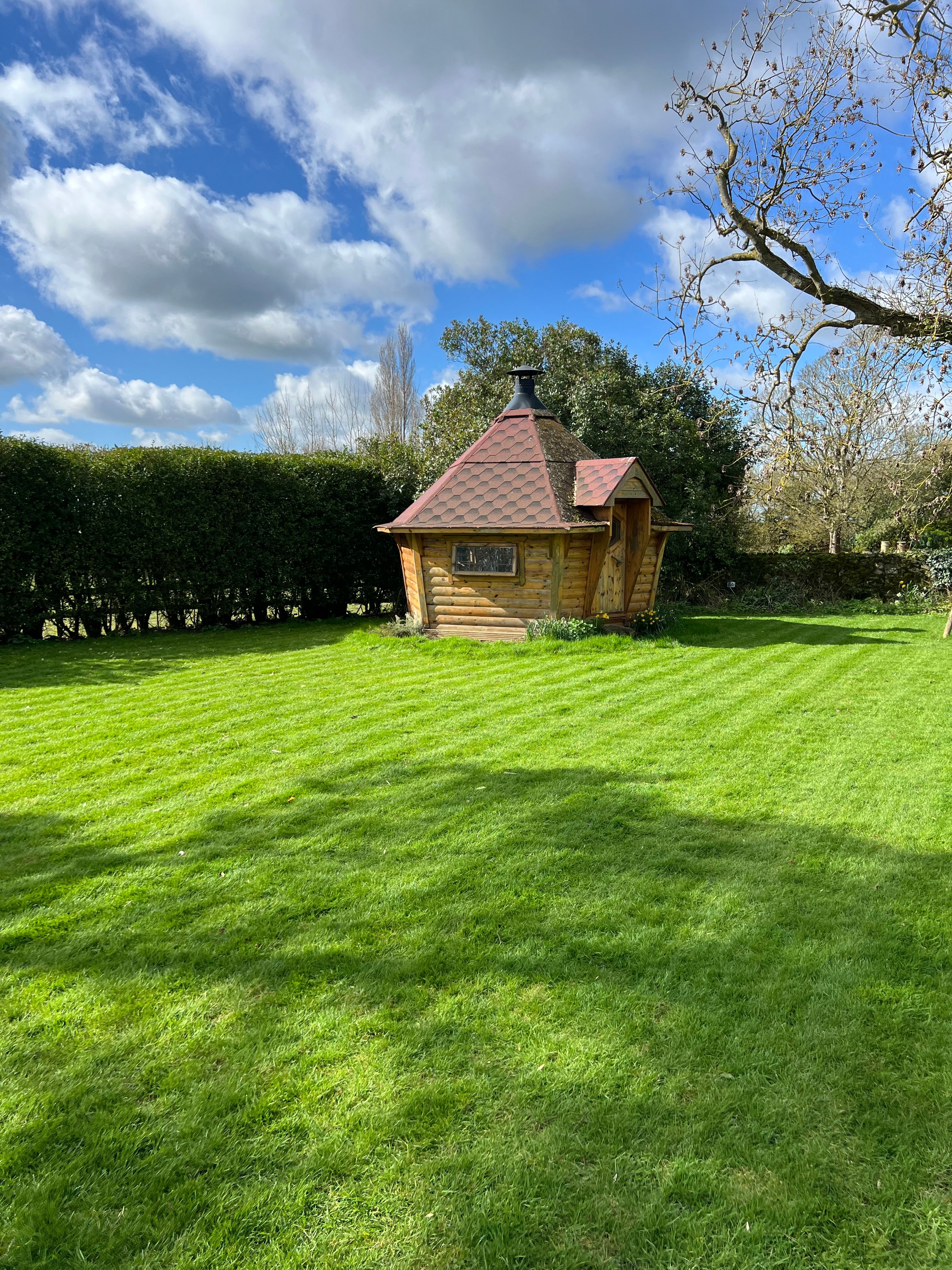
Start With Healthy Soil
Before you even think about grass seed or when to mow, the real secret to a great lawn is what's underneath. Healthy soil is the base for everything that grows in it. If your soil is packed down, lacks nutrients, or has the wrong pH, your grass will struggle no matter what you do.
First, figure out what kind of soil you have. You can buy a simple soil testing kit online or at a garden centre. These kits tell you the pH level (if your soil is acidic or alkaline) and if it's missing any nutrients. Most grasses like soil that's slightly acidic to neutral, around 6.0 to 7.0. Once you know what your soil needs, you can start to improve it.
One of the best things you can do for your lawn's soil is to aerate it. This means making small holes in the soil so air, water, and nutrients can reach the roots. For small lawns, a garden fork works perfectly. Just push it into the ground every few inches. For bigger areas, you might want to rent a mechanical aerator. After aerating, it's a great time to spread a thin layer of organic matter, like compost, over the surface. This will enrich the ground and help you get healthy soil that supports strong, resilient grass.
Choosing the Right Grass
Not all grass is the same. Picking the right type for your garden's specific conditions is super important for a lawn that doesn't need a lot of looking after. Think about your garden's environment. Is it mostly sunny, or does it have shady spots? Does the lawn get a lot of use from kids and pets, or is it just for show?
In the UK, most grass seed mixes combine different types of grass, each with its own strengths.
Perennial Ryegrass: This grass is tough and grows fast. It's great for family lawns that get a lot of activity.
Fescue Grasses: There are a few kinds of fescue. Some are very fine and make a beautiful, bowling-green look, while others handle shade and dry conditions better.
Bentgrass: Often used for golf greens, this grass creates a dense, perfect carpet but needs more care.
For most general family lawns, a mix with durable ryegrass and fescues is a fantastic choice. When you're overseeding a patchy lawn or planting grass for a new lawn, read the packaging carefully to find a mix that fits your needs. A shady lawn mix will have more shade-tolerant fescues, while a hard-wearing mix will have lots of ryegrass. Making the right choice from the start will save you a lot of hassle later on.
Smart Mowing for Perfection
How you mow your lawn really affects how healthy and good it looks. Many people cut the grass too short, thinking it means they won't have to mow as often. But this actually weakens the grass, making it more likely to get weeds and suffer in dry weather. A good rule is to never cut off more than one-third of the grass blade's height in one go.
Keeping the grass a bit longer encourages deeper roots, which makes the lawn tougher. It also helps shade the soil, which stops weeds from growing. How often you mow is just as important. Mowing regularly makes the grass grow thicker, creating that nice dense, carpet-like look. For most of the growing season, this might mean mowing once a week.
Being consistent is key to perfect mowing, and modern tech has made this much easier. For the easiest, most consistent mowing, a robotic lawn mower does the job for you, trimming the grass a tiny bit every day. This process, called mulching, puts fine clippings back into the soil, where they act as a natural fertiliser. It's the perfect example of working smarter, not harder. Finally, make sure your mower blades are sharp. Dull blades tear the grass instead of cutting it cleanly, leaving ragged edges that can turn brown and get diseased.
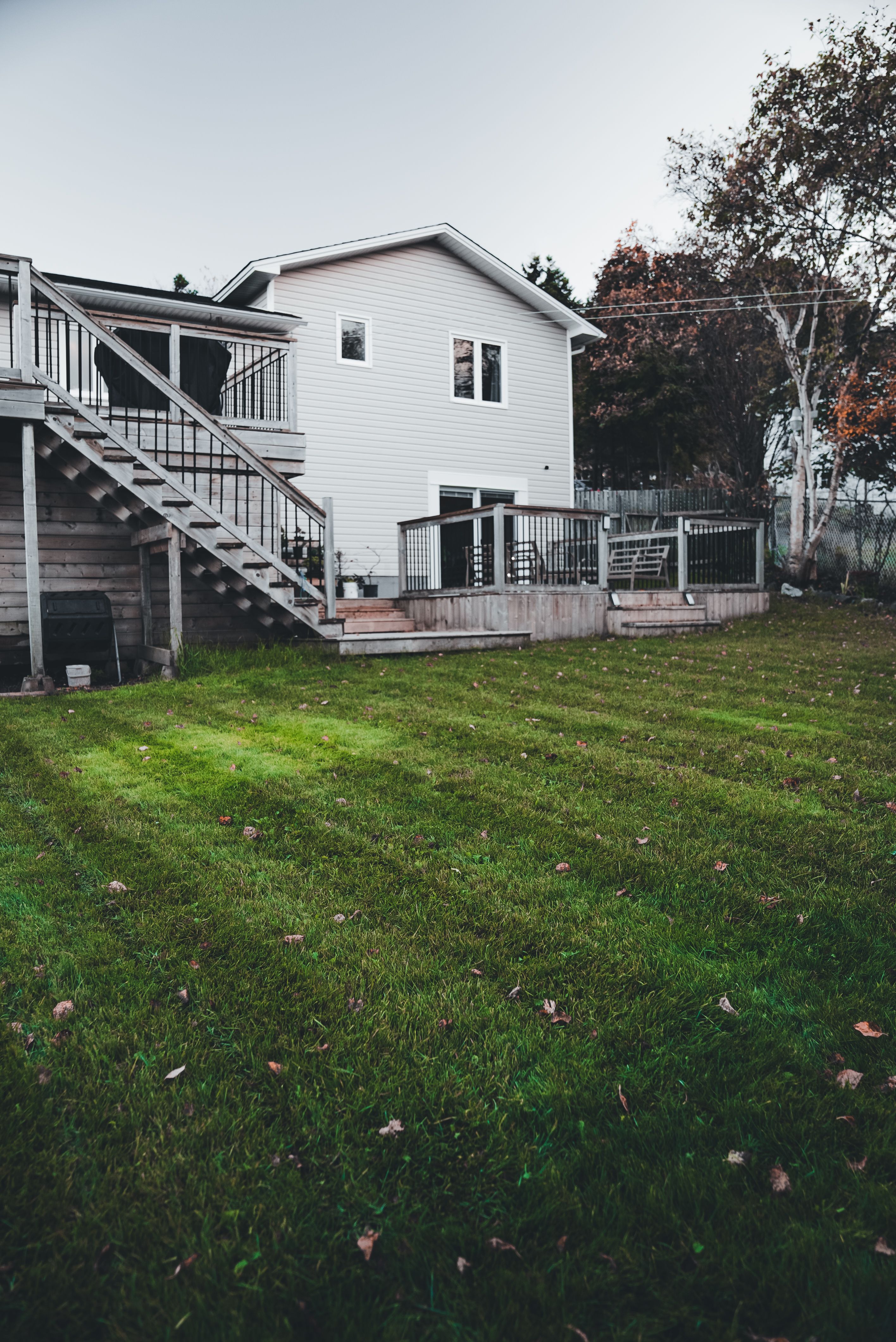
Watering Wisely and Weeding Less
A healthy, thick lawn is your best defence against weeds. When grass plants are doing well and growing close together, there's not much room or light for unwanted weeds to take hold. Good watering and mowing are your main tools for getting this dense turf.
When it comes to watering, the best advice is "deeply and infrequently." A light sprinkle every day makes roots grow shallow, leaving your lawn vulnerable when it's dry. Instead, give your lawn a really good soak once a week during dry weather. This encourages roots to grow deeper into the soil looking for water, making the whole plant stronger and more resistant to drought. The best time to water is early in the morning. This lets the water soak in before the sun gets too hot and lowers the risk of fungal diseases that can pop up if the lawn stays wet overnight.
Even with the best care, a few weeds are bound to appear. The most effective way to deal with them is to pull them out by hand as soon as you see them, making sure you get the whole root. This is much easier when the soil is damp. Adopting these do-it-yourself lawn care habits will keep your lawn looking great without needing chemical treatments.
Seasonal Care Simplified
Your lawn's needs change with the seasons, but the care routine doesn't have to be complicated. A few key tasks done at the right time of year will keep your grass healthy all year long.
Spring: As the weather warms up, your lawn will start growing again. Give it its first cut on a high setting. This is also a good time to put down a spring lawn feed, which has lots of nitrogen to encourage lush, green growth.
Summer: This season is all about keeping things going. Mow regularly, remembering not to cut it too short, especially during hot, dry spells. Water deeply once a week if there hasn't been enough rain.
Autumn: This is probably the most important season for lawn care. It's the perfect time to rake out any thatch (the layer of dead grass and moss) with a process called scarifying. You should also aerate the lawn again to loosen up any soil that's become compacted over the summer. Afterwards, apply an autumn lawn feed. This has less nitrogen and more potassium to strengthen the roots for the winter ahead. These steps are crucial for maintaining quality turf year after year.
Winter: The lawn is mostly resting now. The main rule is to try to stay off it, especially when it's very wet or frozen, as this can damage the grass and compact the soil. Keep it clear of leaves so light and air can reach the grass.
A beautiful lawn doesn't need endless hard work. By focusing on building healthy soil and picking the right grass, then following simple, smart routines for mowing, watering, and seasonal care, you can enjoy a gorgeous green space that's a source of pride, not stress.



0 comments