
The Bathroom Renovation Choices That Affect the Final Result
A bathroom renovation involves far more decisions than simply choosing a new suite and picking a colour scheme. The layout, plumbing, lighting, storage, materials and finishing details all influence how the room looks and, just as importantly, how well it works once the renovation is finished. Decisions that seem minor at the planning stage can have a noticeable effect on the final result.
Understanding the practical side of a Fully Fitted Bathroom can help homeowners make better choices from the beginning. When design preferences are considered alongside the structure and requirements of the room, it becomes easier to create a bathroom that feels cohesive rather than one where individual elements compete with each other.
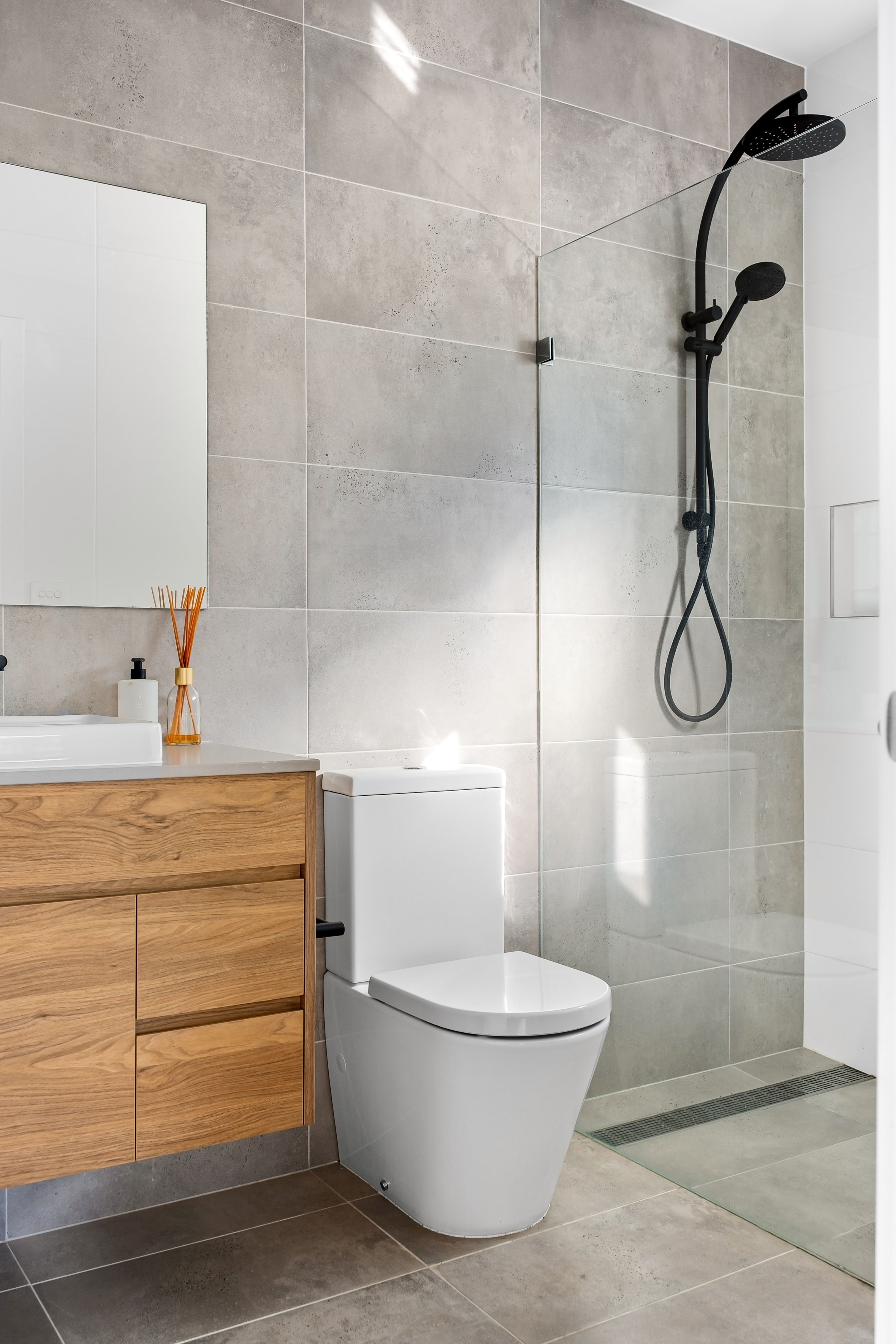
The Layout Sets the Foundation
The layout is one of the biggest decisions to make because it determines how the rest of the bathroom will come together. Before choosing fittings, consider how people move through the room, where the doors and windows are positioned and how much space is available around each fixture.
Keeping the existing layout can sometimes make a renovation more straightforward, particularly when the current plumbing positions already work well. However, changing the arrangement may be worthwhile if the existing bathroom feels cramped or doesn't suit the way the room is used.
Think about everyday movement rather than simply fitting everything into the available floor area. There should be enough clearance to open shower doors, use vanity drawers and move comfortably between different areas of the room.
Plumbing Can Influence Your Design
The position of existing plumbing can place practical limits on what can be changed. Moving a basin may be relatively simple in some circumstances, while relocating a toilet or changing drainage arrangements can require considerably more planning.
This is why it helps to establish the plumbing requirements before becoming too attached to a particular layout. A design might look perfect on paper, but it still needs to work with the building's existing services. If moving fittings is necessary, discuss the implications during the planning stage. Knowing what additional work may be involved gives you a clearer idea of what the renovation will require before installation begins.
Choosing the Right Bathroom Fittings
The fittings you choose have both a visual and practical impact. A large freestanding bath might look impressive, for example, but it may not be the most sensible choice for a compact bathroom where floor space is limited.
Consider the proportions of the room when choosing your main fixtures. Wall-mounted furniture can create a more open appearance, while a compact basin or shower enclosure may make a small bathroom easier to use. It's also worth thinking beyond appearance and considering how each fitting will be used every day. A stylish basin with insufficient surface space or a shower that feels awkward to access can become frustrating over time.
Tiles Can Change the Character of the Room
Tiles are one of the most noticeable elements in a bathroom, so the choice of size, colour, texture and pattern can strongly influence the finished appearance.
Large-format tiles can create a more continuous look, while smaller tiles can introduce pattern and detail. Neutral shades can provide a calm backdrop, whereas darker or more distinctive finishes can create a stronger focal point. The decision shouldn't be based solely on current trends. Think about how the tiles will work with the furniture, sanitaryware, lighting and other finishes in the room.
Before committing to a particular combination, consider:
● Scale: Make sure the tile size feels appropriate for the dimensions of the room rather than choosing a style simply because it looks appealing in a large showroom.
● Colour: Consider how the shade will look under both natural and artificial light, as this can change its appearance considerably.
● Maintenance: Think about how easily the surface and grout can be cleaned and whether the finish will suit the amount of use the bathroom receives.
● Overall balance: If the floor or walls feature a strong pattern, simpler furniture and accessories may help prevent the room from feeling visually busy.
Storage Should Be Planned Early
Storage is often left until the later stages of a bathroom renovation, but this can lead to awkward compromises. Once the basin, toilet, shower and bath have been positioned, there may be very little room left for practical storage.
Think about what needs to be kept in the bathroom and where those items will be used. Everyday toiletries should be accessible, while spare towels and cleaning products can be stored in less prominent areas. Vanity units, mirrored cabinets, tall cupboards and recessed shelving can all provide useful storage without necessarily making the room feel crowded. The right solution depends on the layout and how much storage the household actually needs.
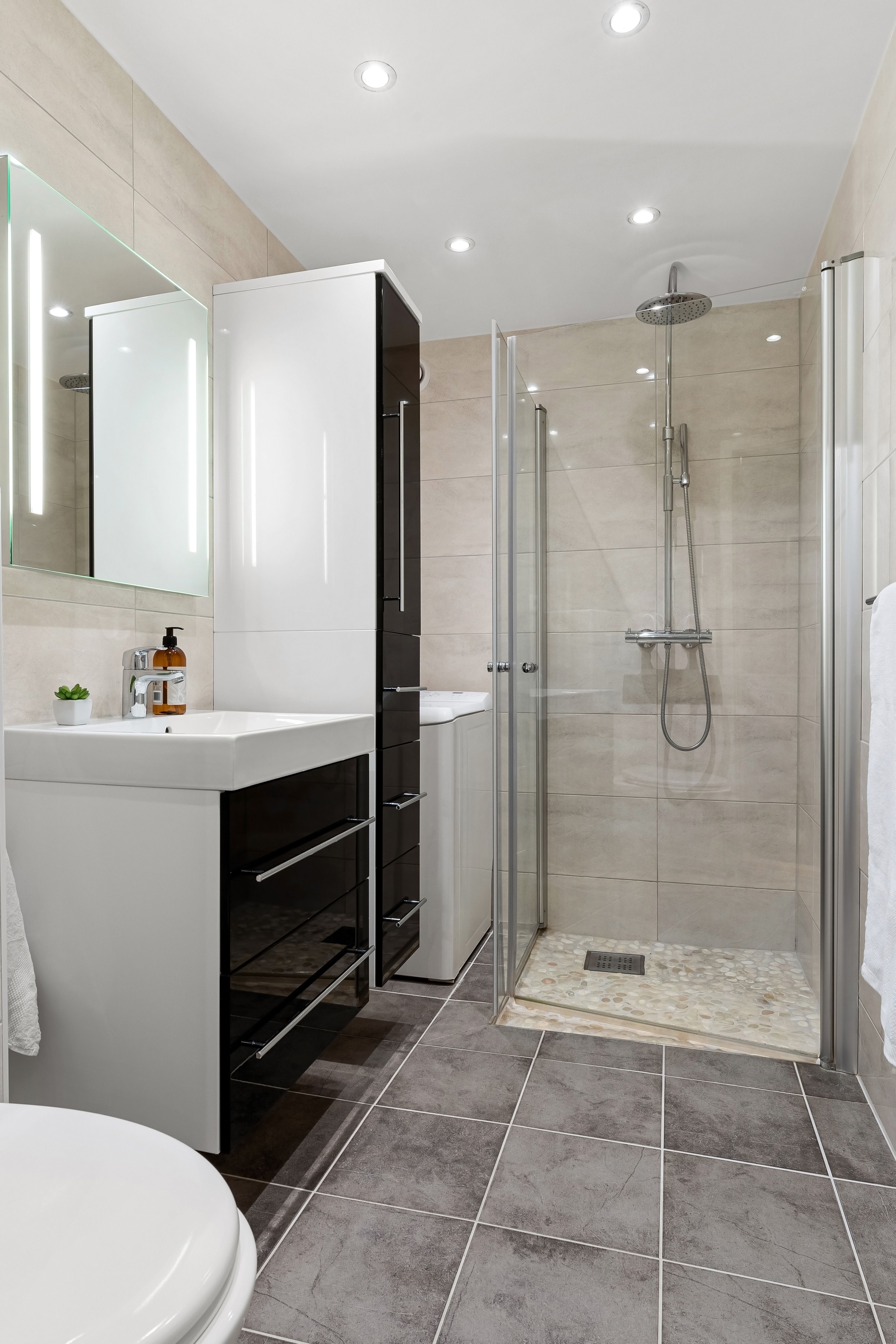
Lighting Affects More Than Visibility
Bathroom lighting can change the appearance of colours, tiles and surfaces, as well as affecting how comfortable the room feels. Relying on one central light may leave areas around the mirror or shower less practical.
A combination of general and task lighting can provide better coverage. Lighting around the basin is particularly useful for grooming, while softer illumination elsewhere can create a more relaxed atmosphere. Natural light should also be considered during the design process. If the bathroom has a window, think about how the layout, mirrors and finishes can make the most of the daylight available.
Don't Ignore Ventilation
Ventilation may not be the most exciting part of a renovation, but it can have a major effect on the room over time. Showers and baths create moisture, which needs to be managed properly to help reduce condensation and protect the bathroom environment.
An effective ventilation system should be considered alongside the overall layout rather than added as an afterthought. Its position, operation and relationship with windows and other features can all affect how effectively moisture is removed.
Small Details Can Pull Everything Together
Once the major choices have been made, smaller details can determine whether the finished bathroom feels considered. Taps, handles, mirrors, heated towel rails and accessories all contribute to the overall appearance.
Using related finishes can create a sense of continuity. For example, coordinating metal finishes across taps, handles and other hardware can make separate elements feel like part of the same design. However, there is no need for everything to match perfectly. A carefully chosen contrast can add interest, provided it works with the wider colour and material palette.
Think About the Finished Room as a Whole
A successful bathroom renovation comes from decisions that support one another. A beautiful tile scheme won't compensate for a poor layout, just as clever storage won't solve a room that lacks suitable lighting or ventilation.
The most useful approach is to consider the bathroom as one complete space from the beginning. Look at how the layout affects plumbing, how fittings affect storage, how tiles work with lighting and how every choice contributes to everyday use.
By making these decisions carefully before the work begins, you can avoid unnecessary compromises and create a bathroom that looks good, functions properly and continues to suit your needs long after the renovation is finished.



0 comments