twitter instagram linkedin
  • Home
  • Contact
  • Topics
    • Beauty
    • Food + Drink
    • Lifestyle
    • Home + Interiors
    • Fashion
    • Health + Fitness
    • Travel
    • Relationships + Dating
    • Business, Education + Finance
    • Blogging Tips
  • Disclaimer
  • Privacy Policy
  • Features

● Laura Thornberry ● Lifestyle Blogger ● London Based ●

 GUEST POST | A well-designed garden is more than just plants and patios. The details, like fencing, walls, and boundaries, play a huge role in how your space looks and feels. If you are ready to give your garden a modern, polished upgrade, slatted cladding could be the answer. It is sleek, low-maintenance, and adds instant appeal to any outdoor area. Whether you are doing a full garden revamp or just making a few changes, this is one addition worth considering.

SLATTED CLADDING GARDEN

Why Garden Walls and Fencing Deserve More Attention
Most people focus on landscaping and furniture when improving their garden, but walls and fences often get overlooked. Yet these elements create the structure of your outdoor space. They frame the view, provide privacy, and can either enhance or distract from your overall design.

Older fences might be functional, but they can leave a space feeling dated or unloved. Cracked paint, uneven heights, or mismatched panels are all small details that can drag down an otherwise lovely garden. Updating these surfaces with a modern finish can completely transform the look. Even just one section of smart cladding can create a stylish focal point and help tie the whole space together. It is one of the simplest ways to make your garden feel more intentional and designed.

What Makes Slatted Cladding Stand Out
Slatted cladding has become a favourite among garden designers and homeowners alike – and for good reason. Its clean, horizontal lines give a contemporary look that suits both large and small spaces. It provides coverage while still allowing light and airflow, which helps prevent the boxed-in feeling of solid fencing.

This style works well with a range of outdoor décor themes. Whether your garden leans rustic, minimalist, or somewhere in between, slatted panels offer a neutral, stylish backdrop that lets other features shine. It is particularly effective when paired with greenery, lighting, or feature planters. The balance between form and function makes slatted cladding a great choice for those who want a garden that looks great and works well for everyday life.

Simple Ways to Use Cladding in Your Garden
You do not need to overhaul your whole garden to enjoy the benefits of cladding. Even a small update can make a big difference. One popular approach is to use slatted panels to refresh a tired fence line. This creates a clean, modern edge that immediately lifts the look of the space.

Cladding can also be used to create zoning in your garden. For example, use panels to section off a seating area or add structure to an open layout. It is also ideal for disguising bins or utility areas without compromising on style.
If you are feeling creative, slatted cladding can even be used vertically on walls or as part of a feature display behind garden furniture. The possibilities are endless – and it is a DIY-friendly option too, so you can achieve great results without needing a full renovation team.

Where to Find High-Quality Slatted Panels
Like any outdoor feature, cladding needs to be built to last. Look for panels that are weather-resistant, easy to maintain, and available in finishes that suit your style. If you are ready to explore your options, buying slatted cladding online is a great starting point. Numerous online businesses have a selection that includes durable, attractive panels that are designed to enhance outdoor spaces without demanding high upkeep.

Whether you are aiming for a clean, contemporary look or a warmer, more natural finish, there are styles to suit. With quality materials and reliable design, these panels give you both style and peace of mind – knowing your garden upgrade will hold up over time.

Shopping online also makes it easier to compare finishes, order exactly what you need, and plan your project without the pressure of in-store browsing.
Sometimes, the biggest impact comes from the smallest changes. Adding slatted cladding to your garden is a simple, stylish way to update your space without taking on a huge project. Whether you are hiding an old fence, creating privacy, or just adding some visual interest, this versatile option can bring your garden to life.

If you are dreaming of a more polished outdoor area, this could be the perfect place to start.

19:16 No comments
AD | As autumn arrives across the UK, it's time to shift your gardening routine to prepare for cooler temperatures, wetter weather, and the coming winter. Whether you're a seasoned grower or a weekend gardener, having the right agricultural supplies on hand will help keep your garden productive and healthy. Here are the top 5 supplies every UK gardener should consider for their autumn garden.

AGRICULTURE

1. Compost and Organic Fertiliser
UK soils can become compacted and nutrient-depleted after a busy summer season. Autumn is the perfect time to replenish the soil with organic compost or natural fertilisers. Adding compost improves soil structure and drainage—especially important given the UK's often wet autumns.

Look for well-rotted manure, homemade compost, or peat-free compost options to boost soil fertility. You can also use slow-release organic fertilisers like fish, blood and bone or seaweed-based feeds, which are ideal for preparing beds for overwintering crops or spring planting.

2. Mulch
A good layer of mulch is a game-changer in the British autumn. It insulates the soil, suppresses weeds, and prevents nutrients from washing away during heavy rains. It also protects plant roots from frost—a common concern across much of the UK. Choose from shredded bark, leaf mould, or straw, all of which break down slowly and feed your soil naturally. Spread mulch around the base of perennials, shrubs, and vegetable beds for maximum protection.

3. Cold Frames or Fleece Row Covers
With unpredictable frosts and chilly winds, UK gardens benefit greatly from cold frames and fleece row covers in autumn. These tools help extend the growing season by shielding crops like kale, spinach, and lettuce from harsh weather. Cold frames, especially in southern and central England, allow you to grow hardy vegetables well into winter. Lightweight fleece covers are perfect for quick protection during surprise cold snaps—common in areas like Scotland or the north of England.

4. Quality Garden Tools
Autumn is a busy time for maintenance: pruning, planting, digging, and tidying up. Having a set of sturdy, reliable garden tools will make every task easier. For UK conditions, where damp weather can cause rust, look for stainless steel tools with wooden handles. Must-haves include:

  • Secateurs for pruning back perennials and shrubs
  • A hand fork and trowel for planting bulbs and autumn crops
  • A leaf rake to manage the falling leaves
  • Gardening gloves to protect from thorns and cold soil
  • Clean and oil your tools before winter to keep them in top condition.
5. Green Manure (Cover Crops)
One of the best-kept secrets in UK gardening is the use of green manure. Sown in autumn, plants like field beans, rye, or clover help improve soil fertility over winter. These crops prevent erosion, suppress weeds, and fix nitrogen in the soil. In spring, simply dig them into the soil to boost organic matter naturally—ideal for preparing your veg beds for the new growing season.

Conclusion
Autumn in the UK is more than just winding down—it’s about preparing your garden for resilience and success in the months ahead. With the right agricultural supplies, you can protect your soil, extend your harvest, and set the stage for a strong spring start. Invest in these five essentials and make the most of your UK autumn garden.
14:52 No comments
 AD | In today’s world of rising utility costs and increasing environmental awareness, homeowners are constantly looking for ways to save money and reduce their ecological footprint. One often-overlooked solution that offers both financial and environmental benefits is installing a water tank. Whether you're in a city apartment or a rural home, water tanks can play a key role in lowering your household bills.

water tanks

Collect and Store Rainwater
The primary function of a water tank is to collect and store rainwater, a free and abundant resource that falls from the sky. Instead of letting this water run off into the drains, a properly installed tank captures it from your roof and gutters, storing it for later use. This harvested rainwater can be used for a wide range of non-drinking purposes such as watering the garden, washing the car, flushing toilets, and even doing laundry if properly filtered.

By using rainwater for these everyday tasks, you can significantly reduce your reliance on mains water. Depending on where you live and how much water you use, this can translate to substantial savings on your water bill every month.

Reduce Pressure on Mains Water
When you use less mains water, you're not only saving money—you’re also reducing the demand on local water infrastructure. This is especially important in areas prone to drought or where water restrictions are common. In some regions, government incentives or rebates are even offered to households that install water tanks, further reducing your upfront costs and speeding up the return on your investment.

Lower Your Energy Bills
You might be surprised to learn that a water tank can also indirectly reduce your energy bills. Water treatment and pumping use a lot of electricity, so by reducing your mains water usage, you're also contributing to lower energy consumption overall. If your water tank system includes a pump (for pressurizing water in your home), consider using a solar-powered pump to maximize savings.

Long-Term Investment
While the initial cost of purchasing and installing a water tank can be a barrier for some, it's important to view it as a long-term investment. A well-maintained water tank can last 20 years or more. Over time, the money saved on water bills can exceed the cost of installation. For larger properties or households with high water usage, the savings can be even more significant.

Eco-Friendly Benefits
In addition to saving money, using a water tank helps conserve one of Earth’s most valuable resources. It reduces runoff, limits erosion, and decreases the burden on stormwater systems—all of which contribute to a healthier environment. For eco-conscious homeowners, these benefits are just as important as the financial ones.

Conclusion
A water tank isn't just a smart way to reduce your water bills—it’s a sustainable solution that supports a more self-sufficient and environmentally friendly lifestyle. Whether you're aiming to cut costs or do your part for the planet, investing in a water tank is a practical and impactful step in the right direction.
14:37 No comments
 Every homeowner knows the sinking feeling of receiving a surprisingly high energy bill. Heating is one of the largest contributors to household costs, especially during the colder months in the UK. Yet many people overlook how much of that expense could be reduced through simple efficiency improvements. Efficient home heating is not only about keeping warm; it’s about making smart choices that save money, protect your heating system, and keep your home comfortable throughout the year.

This article explores how efficient heating can lower your bills, what steps you can take to improve energy use, and why regular servicing plays a vital role in keeping costs down.

cosy home

Why Heating Takes a Big Slice of Your Budget
In most UK homes, heating accounts for more than half of total energy consumption. When a system is not working efficiently—whether because of clogged filters, poor insulation, or incorrect settings—it needs to work harder to achieve the same level of warmth. This extra effort directly increases your bills.
Think of it as running a marathon with a heavy backpack; the more strain you put on the system, the more energy it burns. Over time, this waste adds up, making small inefficiencies quite costly.

The Role of Efficient Systems
Modern heating systems such as heat pumps, hybrid units, and unvented cylinders are designed with efficiency in mind. However, even the most advanced equipment can lose efficiency if it is not properly maintained. Dust build-up, air leaks, and incorrect temperature settings all create barriers to smooth performance.

When your heating system runs efficiently
● Energy bills drop because less power is required.
● Comfort improves as rooms heat up evenly without cold spots.
● Equipment lasts longer, saving money on costly replacements.
This shows that efficiency is not just a buzzword; it’s a real strategy to reduce costs and increase comfort at home.

How to Improve Heating Efficiency at Home
1. Regular Servicing
The first and most important step is scheduling regular servicing. A professional check ensures that your heating system is functioning as it should, with no hidden faults that could reduce its performance. Technicians can spot issues such as leaks, worn parts, or airflow problems long before they become expensive repairs. This is where ServiceMy comes in, providing expert inspections, performance reports, and maintenance that keep heating systems in top condition. A small investment in servicing prevents bigger, unexpected costs later.

2. Check Your Insulation
No matter how efficient your heating system is, it won’t work properly if your home is poorly insulated. Heat escapes quickly through thin walls, draughty windows, or uninsulated lofts. Adding loft insulation, sealing gaps, and using thermal curtains are simple yet effective ways to stop heat loss and reduce the burden on your heating system.

3. Smart Thermostat Use
Heating efficiency is not only about the equipment; it’s also about how you use it. Smart thermostats and programmable timers allow you to control heating more accurately. Instead of heating the entire house at once, you can warm specific rooms when needed. Lowering the thermostat by just one degree can reduce heating bills by up to 10% per year without noticeably affecting comfort.

4. Bleed and Balance Radiators
Cold spots in radiators are a clear sign that air is trapped inside. Bleeding radiators is a simple DIY task that helps hot water circulate evenly, improving efficiency. Balancing the system—ensuring each radiator receives the right amount of hot water—further reduces energy waste.

5. Regular Filter Cleaning
Heat pumps and modern heating systems often rely on filters to keep dust and debris from clogging components. A blocked filter forces the system to work harder, consuming more energy. Cleaning or replacing filters regularly is a quick task with long-lasting benefits.

The Cost of Ignoring Efficiency
It can be tempting to delay servicing or ignore small problems, especially when your system appears to be running fine. However, inefficiency is often silent. A heating system may still produce warmth, but behind the scenes, it could be using much more energy than necessary.

This unnecessary energy use means:
● Higher monthly bills
● Shortened equipment lifespan
● Greater risk of unexpected breakdowns
● Increased carbon footprint
In other words, saving money by avoiding maintenance is actually costing more in the long run.

The Benefits Beyond Bills
Efficient heating is not only about saving money. It also enhances your quality of life and contributes to wider environmental goals.
● Better comfort: Rooms heat more evenly and quickly.
● Peace of mind: Regular servicing reduces the chance of breakdowns during the coldest days.
● Environmental impact: Lower energy use means reduced carbon emissions, a step towards a greener home.
By focusing on efficiency, homeowners can enjoy both immediate and long-term rewards.

Small Daily Habits That Help
Alongside professional servicing and system care, there are everyday habits that can make heating more efficient:
● Close doors to retain heat in used rooms.
● Open curtains during the day to let sunlight naturally warm your home.
● Keep vents clear of furniture and obstructions.
● Turn off the heating in unused rooms instead of wasting energy.
These small changes, while simple, add up to noticeable savings over time.

Final Thoughts
The secret to lower bills is not just about switching suppliers or cutting back on comfort—it’s about making your heating system as efficient as possible. From insulation improvements to regular servicing, every step you take reduces waste, saves money, and makes your home more comfortable.

Efficient heating is an investment in both your present comfort and your future savings. And with support from trusted specialists like ServiceMy, maintaining that efficiency becomes much easier.

So next time you see your energy bill, remember: the key to reducing it might already be inside your home. Treat your heating system well, and it will reward you with warmth, savings, and peace of mind.
12:49 No comments

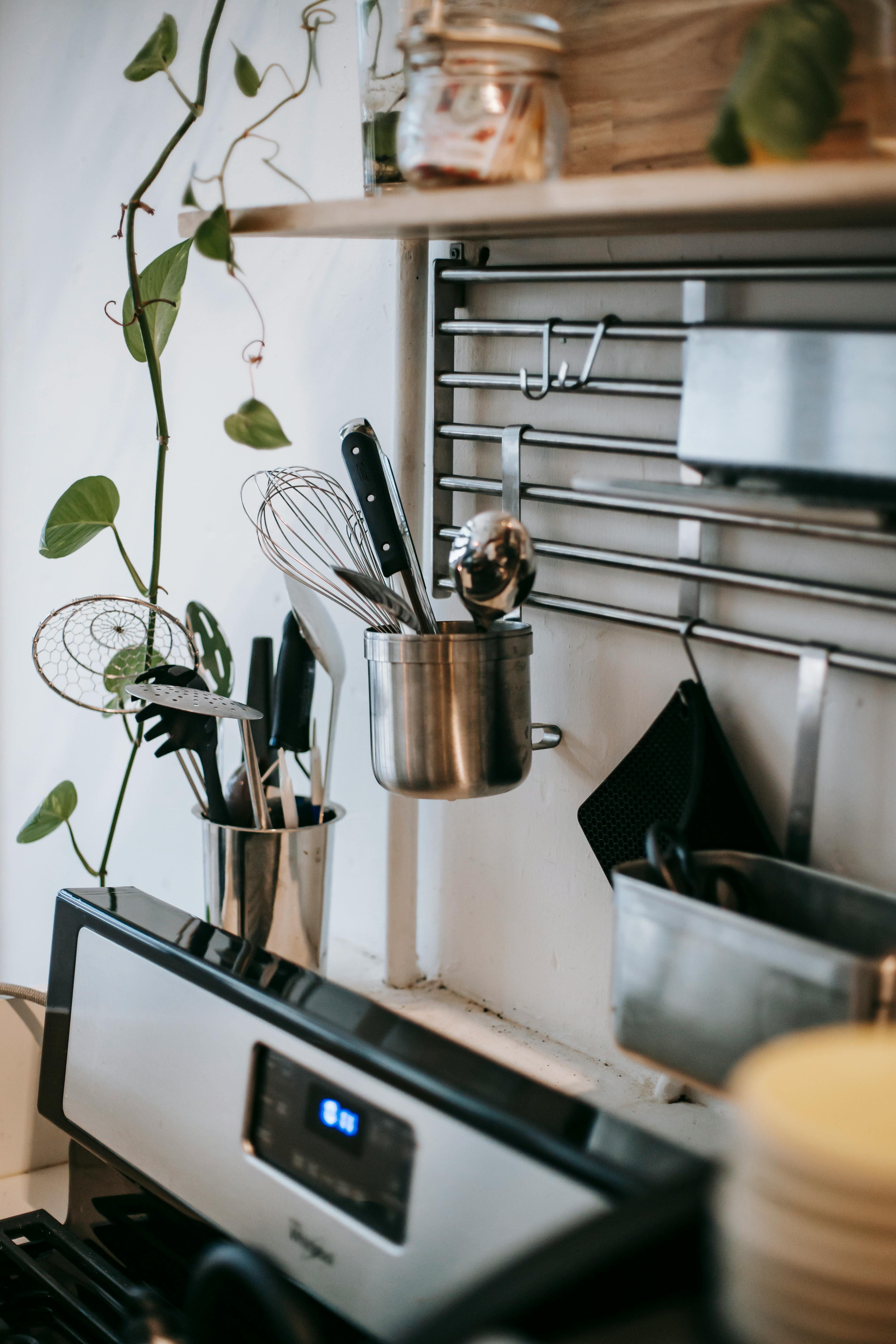
Having a small kitchen doesn’t mean you simply need to accept clutter. With a few clever storage solutions, you can make the most of every corner, keep your kitchen organised, and create a space that’s both practical and stylish. Read on to discover simple yet effective storage hacks that will help you transform your small kitchen.

small kitchen


Use Vertical Space

One of the easiest ways to free up space in a small kitchen is to utilise vertical space. Install shelves or hanging racks on empty walls to store spices, mugs, or pots and pans. Magnetic knife strips, wall-mounted utensil holders, and pot racks also help keep items accessible whilst freeing up drawers and cupboards. By making use of wall space from floor to ceiling, you can declutter your worktops and give your kitchen a more open, organised feel.


Opt for Multi-Functional Furniture

Choose furniture carefully when space is limited in your kitchen. Opting for pieces that serve more than one purpose, for example, a kitchen island with built-in storage, a fold-away table, or stackable stools, can help maximise your available space. Investing in multi-functional pieces helps you stay organised while making the most of limited square footage in your kitchen.


kitchen storage ideas


Organise Inside Cabinets

Maximising cabinet space is vital in a small kitchen. Use stackable shelves to create extra layers inside cupboards, allowing you to store more without overcrowding. Pull-out drawers or baskets can make it easier to access items at the back of deep cabinets, preventing you from losing essentials. Adding door-mounted racks for spices or lids further boosts storage while keeping your kitchen neat and functional.


Declutter the Space

In a small kitchen, keeping only what you truly need is essential. Think carefully about which items you use each day, and which can be stored elsewhere or donated. Removing unnecessary gadgets and duplicates frees up valuable space, making your kitchen feel more open, organised, and easier to cook in. Regularly reassess your belongings to maintain a clutter-free environment that maximises your small kitchen’s potential.


kitchen storage ideas


Make the Most of Corners and Awkward Spaces

Don’t let corners and awkward gaps go to waste. Install corner shelves or fitted corner units to maximise those tricky areas that often go unused. Deep corner drawers are an ideal solution for storing bulkier items like pots, pans, or mixing bowls while keeping everything accessible and well-organised. Consider using tall, narrow shelving in tight gaps between appliances or walls to store chopping boards, trays, or cleaning supplies.


Maximising a small kitchen is all about smart choices and creative storage. Explore Elfin’s space-saving solutions and transform your compact kitchen into a functional and beautiful space. 

20:51 No comments
Newer Posts Older Posts Home

About me


Hello!
Welcome to lthornberry.co.uk, my personal corner on the internet where I write about all things lifestyle.

Please visit my contact page for sponsorships, collaborations and general enquiries.

Follow Me

Kudd.ly

Contact Form

Name

Email *

Message *

POPULAR POSTS

  • Primark PS Love Noir Perfume Review
  • Primark PS Love Rose Gold Women's Perfume Review
  • The Most Magical Family Disney Gifts for All Ages
  • 8 Simple Ways to Make Healthier Lifestyle Choices
  • 5 Things To Consider Before Getting Back Into Dating After a Long Break

Designed By | Distributed By Laura Thornberry 2021