twitter instagram linkedin
  • Home
  • Contact
  • Topics
    • Beauty
    • Food + Drink
    • Lifestyle
    • Home + Interiors
    • Fashion
    • Health + Fitness
    • Travel
    • Relationships + Dating
    • Business, Education + Finance
    • Blogging Tips
  • Disclaimer
  • Privacy Policy
  • Features

● Laura Thornberry ● Lifestyle Blogger ● London Based ●

Creating a stylish, high-end home doesn’t have to cost a fortune. With the rising cost of living in the UK, more people are looking for ways to decorate their homes on a budget without sacrificing style. The good news is that you can achieve a luxury look for less by making a few smart design choices and focusing on details that make a big impact.

In this guide, you’ll discover 10 budget home décor ideas that look expensive, all tailored for UK homes and budgets. Whether you’re decorating a small flat, a rented space, or simply refreshing your home, these ideas will help you upgrade your space without overspending.
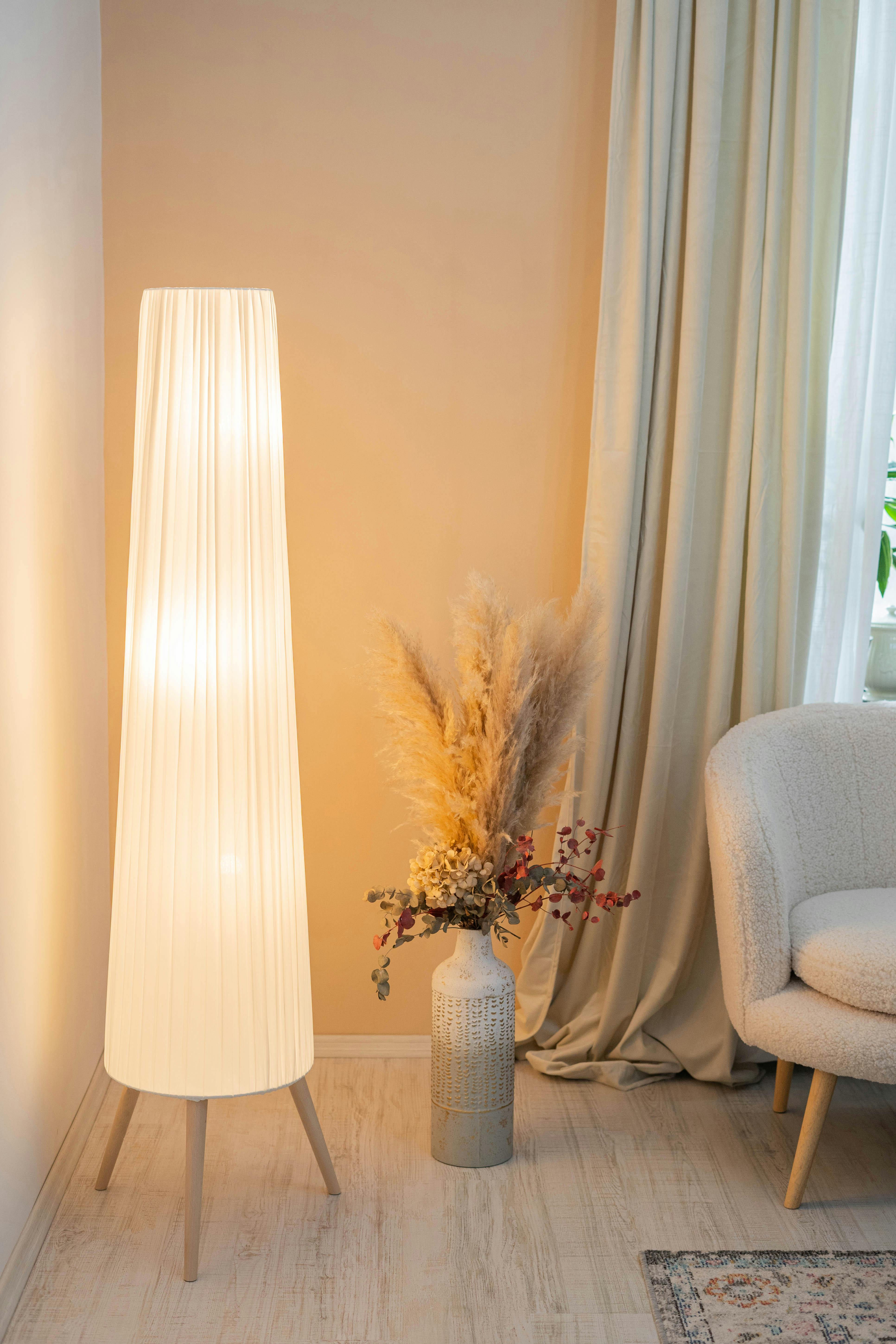
minimalist home decor

1. Use Neutral Colours for a Luxury Feel
One of the easiest ways to make your home look more expensive is by using a neutral colour palette. Shades like white, beige, cream, and soft grey create a clean and timeless look that feels calm and sophisticated. Neutral colours also make spaces appear larger and brighter, which is especially useful in smaller UK homes. You don’t need to repaint your entire house—adding neutral cushions, throws, or curtains can instantly elevate a room. This approach is widely used in high-end interiors because it creates a cohesive and polished aesthetic.

 2. Upgrade Your Lighting
Lighting can completely transform how a room looks and feels. Many homes rely on a single overhead light, but adding layers of lighting can create a much more expensive atmosphere. Consider adding table lamps, floor lamps, or even warm LED bulbs to soften the space. Choosing warm lighting instead of harsh white light can make your home feel cosy and inviting. Affordable lighting options are widely available in the UK, and even a small upgrade can make a noticeable difference.

3. Add Large Mirrors to Create Space
Mirrors are a classic interior design trick used to make rooms feel bigger and brighter. A well-placed mirror reflects light and creates the illusion of more space, which is particularly helpful in smaller homes or flats. Large mirrors often look more expensive than smaller ones, and they can act as a statement piece in your room. You don’t need to spend a lot—many budget retailers in the UK offer stylish mirrors at affordable prices.

4. Declutter and Keep It Minimal
One of the biggest differences between a budget home and a luxury-looking one is clutter. Expensive interiors tend to be clean, organised, and minimal. Removing unnecessary items and keeping surfaces clear can instantly improve how your home looks. Focus on displaying a few well-chosen pieces rather than overcrowding your space. This doesn’t cost anything, but it can have one of the biggest impacts on your home’s overall appearance.

5. Invest in Cushions and Throws
Soft furnishings like cushions and throws are an easy and affordable way to upgrade your living space. Choosing textures like velvet, faux fur, or knitted fabrics can make your home feel more luxurious. Layering different cushions on your sofa or bed adds depth and interest, making the space look styled rather than basic. Stick to a consistent colour scheme to keep everything looking cohesive. This is one of the most popular budget home décor ideas in the UK because it’s quick, simple, and effective.

minimalist home decor

6. Use Artwork or Prints
Blank walls can make a home feel unfinished, but you don’t need expensive art to fix this. Affordable prints, posters, or even downloadable artwork can add personality and style to your space. Creating a small gallery wall or using a large statement print can make your home look more curated and high-end. Frames play a big role too—simple black, white, or gold frames tend to look more expensive. Artwork helps tie a room together and makes it feel complete.

 7. Upgrade Your Curtains
Curtains are often overlooked, but they can dramatically change the look of a room. Swapping out old or thin curtains for fuller, longer ones can instantly create a more polished and expensive feel. Floor-length curtains, in particular, add a sense of height and elegance. Choosing neutral or soft tones will help maintain a cohesive look. This is a simple upgrade that can make a big difference, especially in living rooms and bedrooms.

8. Add Greenery (Real or Fake)
Plants are one of the easiest ways to make your home feel more alive and stylish. Whether you choose real plants or high-quality artificial ones, greenery adds freshness and texture to any room. In the UK, where outdoor space can be limited, indoor plants are a great way to bring nature inside. Even a few small plants on shelves or a larger plant in the corner of a room can elevate your space. Plants are commonly used in luxury interiors because they soften the look of a room and add visual interest.

9. Upgrade Small Details
Sometimes it’s the smallest details that make the biggest difference. Swapping out basic items like cabinet handles, drawer knobs, or even light switch covers can subtly upgrade your home. These changes are relatively inexpensive but can give your space a more custom and high-end feel. Choosing finishes like matte black, brushed gold, or chrome can instantly modernise your home. Paying attention to these details helps create a more cohesive and intentional design.

10. Style Your Surfaces Thoughtfully
How you style your surfaces—such as coffee tables, shelves, and bedside tables—can make your home look professionally designed. Instead of leaving surfaces empty or cluttered, try grouping items in a simple, balanced way. For example, a stack of books, a candle, and a small plant can create a clean and stylish look. The key is to keep it minimal and intentional. This approach is often used in interior design to create a sense of order and elegance.

minimalist home decor

Why Budget Home Décor Works
You don’t need a large budget to create a beautiful home. In fact, many high-end interiors rely on simple principles like balance, texture, and consistency rather than expensive items. By focusing on these elements, you can achieve a similar look at a fraction of the cost. Budget home décor in the UK is all about making smart choices and knowing where to spend and where to save.

Tips for Decorating on a Budget in the UK
Shopping smart is key when decorating your home affordably. Many UK retailers offer stylish home décor at reasonable prices, especially if you look out for sales or discounts. Charity shops and online marketplaces can also be great places to find unique pieces. Another important tip is to take your time. You don’t need to decorate everything at once. Gradually adding pieces that fit your style will result in a more cohesive and personalised space.

 Final Thoughts
Creating a home that looks expensive doesn’t require a big budget—it just requires thoughtful choices and attention to detail. By using neutral colours, improving lighting, adding texture, and keeping your space organised, you can achieve a high-end look for less.

These budget home décor ideas are practical, affordable, and easy to implement, making them perfect for anyone looking to upgrade their home in the UK. With a bit of creativity and planning, you can transform your space into something that feels stylish, comfortable, and truly your own—without overspending.
08:00 No comments
 If you’re looking for quick, delicious, and satisfying meals, Asian cuisine offers some of the best options for speedy lunches. With bold flavours, simple ingredients, and fast cooking techniques, you can create restaurant-quality dishes right at home—even on your busiest days.

In this blog post, we’ll explore three speedy Asian lunch ideas that are perfect for busy professionals, students, or anyone who wants a flavorful meal without spending hours in the kitchen. These recipes are optimized for quick prep, minimal ingredients, and maximum taste, making them ideal for weekday lunches.

asian stir fry noodles

Why Choose Asian Recipes for Quick Lunches?
Asian cooking is perfect for fast meals because it emphasizes:

> High heat cooking (like stir-frying)
> Simple yet flavorful sauces
> Fresh vegetables and proteins
> Short cooking times

Whether you’re craving noodles, rice, or something light and refreshing, these recipes will help you create a healthy Asian lunch in under 30 minutes.

1. 15-Minute Chicken Stir-Fry with Garlic Sauce
Why You’ll Love It? This classic chicken stir-fry is one of the best quick Asian lunch recipes because it’s versatile, protein-packed, and incredibly fast to prepare.

Ingredients
2 chicken breasts (thinly sliced)
2 cups mixed vegetables (bell peppers, broccoli, snap peas)
3 cloves garlic (minced)
2 tbsp soy sauce
1 tbsp oyster sauce
1 tsp sesame oil
1 tbsp cornstarch
2 tbsp vegetable oil

Instructions
Heat oil in a wok or large pan over high heat.
Add chicken and cook until browned (about 5 minutes).
Toss in garlic and vegetables, stir-frying for 3–4 minutes.
Mix soy sauce, oyster sauce, sesame oil, and cornstarch in a small bowl.
Pour sauce into the pan and stir until thickened.
Serve hot over rice or noodles.

Pro Tips for Speed
> Use pre-cut vegetables to save time.
> Slice chicken thinly for faster cooking.
> Cook everything on high heat to reduce cooking time.

2. 20-Minute Veggie Fried Rice (Better Than Takeout)
Why You’ll Love It? Fried rice is one of the most popular easy Asian lunch ideas, and this veggie-packed version is both budget-friendly and customizable.

Ingredients
3 cups cooked rice (preferably day-old)
2 eggs (beaten)
1 cup mixed vegetables (carrots, peas, corn)
2 green onions (chopped)
3 tbsp soy sauce
1 tbsp sesame oil
2 tbsp cooking oil

Instructions
Heat oil in a pan and scramble the eggs. Set aside.
In the same pan, add vegetables and cook for 3–4 minutes.
Add rice and break up any clumps.
Stir in soy sauce and sesame oil.
Add scrambled eggs back in and mix well.
Garnish with green onions and serve.

Pro Tips for Speed
> Use leftover rice for the best texture.
> Frozen vegetables work perfectly and save prep time.
> Cook on medium-high heat for that authentic fried rice flavour.

3. 25-Minute Spicy Peanut Noodles
Why You’ll Love It? If you’re craving something bold and comforting, these peanut noodles are a must-try. They’re creamy, slightly spicy, and incredibly satisfying—perfect for a quick Asian noodle lunch.

Ingredients
200g noodles (any type)
2 tbsp peanut butter
1 tbsp soy sauce
1 tbsp chili paste (adjust to taste)
1 tsp honey or sugar
1 tsp ginger (grated)
1 clove garlic (minced)
2–3 tbsp warm water
Optional toppings: shredded chicken, tofu, or veggies

Instructions
Cook noodles according to package instructions and drain.
In a bowl, whisk together peanut butter, soy sauce, chili paste, honey, ginger, garlic, and water.
Toss noodles with the sauce until well coated.
Add your choice of protein or vegetables.
Serve warm or cold.

Pro Tips for Speed
> Use instant noodles for an even faster option.
> Pre-cooked rotisserie chicken works great as a topping.
> Adjust spice level to your preference.

asian cooking

Tips for Making Quick Asian Lunches Even Faster
To streamline your cooking process and make these recipes even quicker, try these tips:

1. Prep Ingredients in Advance
Chop vegetables and store them in airtight containers so they’re ready to go.

2. Use Pantry Staples
Keep essentials like soy sauce, sesame oil, and noodles stocked for easy meal prep.

3. Cook in Batches
Make extra portions and store them for lunch the next day.

4. Invest in the Right Tools
A wok or large non-stick pan can significantly speed up cooking time.

Health Benefits of These Asian Lunch Recipes
Not only are these meals quick and delicious, but they’re also packed with nutrients:

> Lean protein from chicken and eggs
> Fibre and vitamins from fresh vegetables
> Healthy fats from sesame oil and peanut butter
> Balanced carbs from rice and noodles

These dishes are perfect for maintaining energy levels throughout the day while enjoying bold, satisfying flavours.

Final Thoughts
When it comes to speedy Asian lunch ideas, you don’t have to sacrifice flavour for convenience. With just a few ingredients and simple techniques, you can create meals that are both delicious and time-efficient. Whether you choose a sizzling stir-fry, comforting fried rice, or creamy peanut noodles, these recipes are designed to fit seamlessly into your busy lifestyle. Try these recipes this week and transform your lunch routine with quick, flavorful Asian-inspired dishes that are sure to impress.

Bonus: Mix and Match for Variety
Don’t be afraid to experiment! Swap proteins, change sauces, or add new vegetables to keep things exciting. Asian cuisine is incredibly versatile, making it easy to create endless variations from just a few base recipes.
19:22 No comments
 Struggling with dry, flaky, or tight skin can be frustrating—especially when many skincare products seem overpriced or ineffective. The good news is that you don’t need to spend a fortune to achieve healthy, hydrated skin. In fact, some of the best budget skincare products in the UK are affordable, effective, and widely available.

If you’re looking for a simple, affordable skincare routine for dry skin using UK products under £30, this guide will walk you through exactly what you need. Whether you’re a beginner or just trying to cut down your spending, this routine focuses on hydration, barrier repair, and long-lasting moisture without breaking the bank.

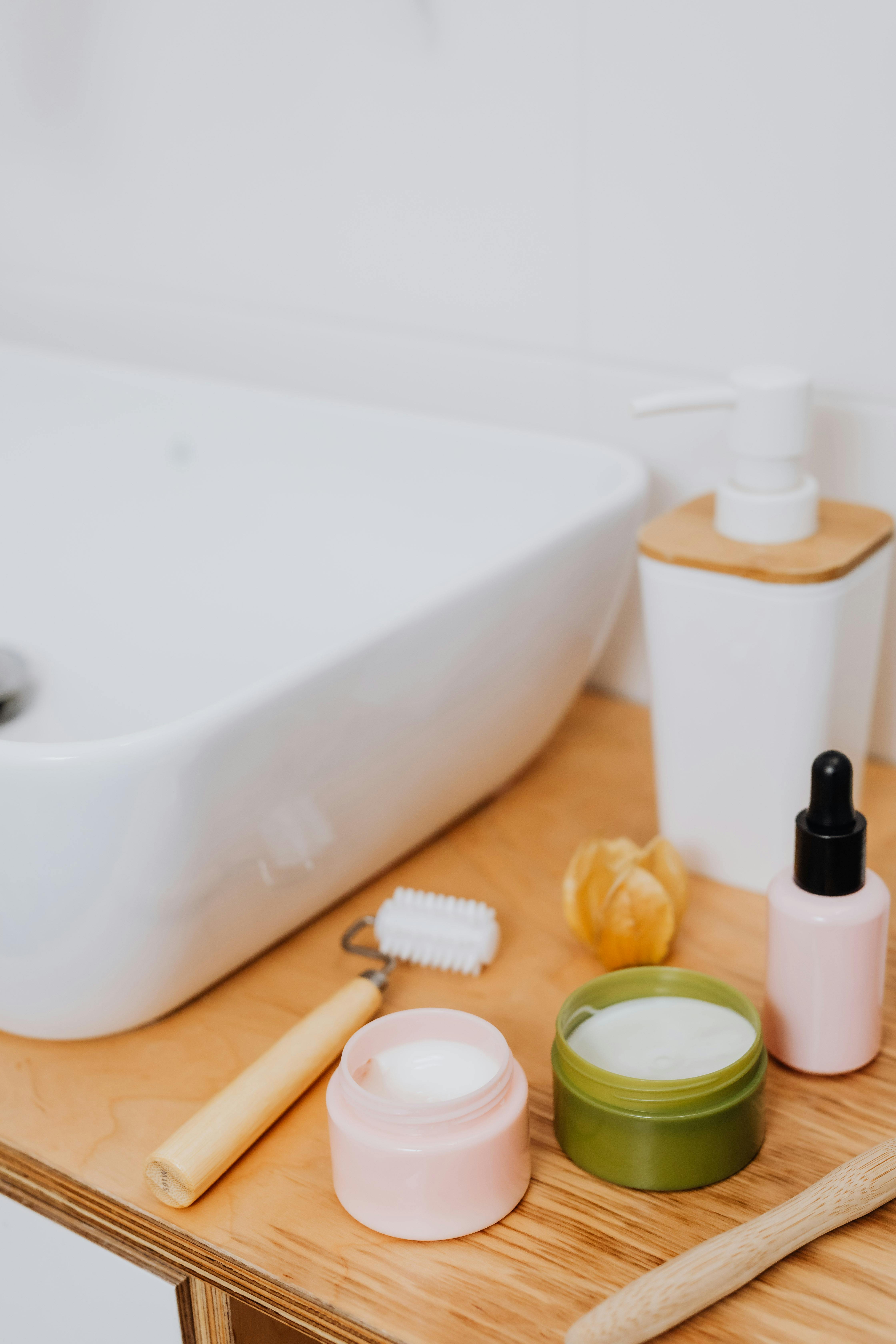
skincare

Why Dry Skin Needs a Specific Routine
Dry skin isn’t just about appearance—it’s a sign that your skin lacks moisture and natural oils. This can lead to tightness, irritation, dullness, and even increased sensitivity. In the UK, colder weather and central heating can make dryness even worse, which is why having the right routine is essential. A good skincare routine for dry skin should focus on gentle cleansing, deep hydration, and protecting the skin barrier. The goal is not to overload your skin with products, but to use the right ones consistently.

Step 1: Gentle Cleanser (Under £10)
The first step in any skincare routine is cleansing, but for dry skin, it’s important to avoid harsh formulas that strip natural oils. A gentle, hydrating cleanser will remove dirt and makeup while keeping your skin soft. Look for cream or lotion-based cleansers rather than foaming ones. Ingredients like glycerin and ceramides are particularly helpful for maintaining hydration. Using a budget cleanser doesn’t mean compromising on quality. Many UK drugstore brands offer excellent options that leave your skin feeling clean but not tight.

Step 2: Hydrating Toner or Essence (Optional but Helpful)
While not essential, a hydrating toner can add an extra layer of moisture to your routine. This step is especially useful if your skin feels tight after cleansing. Instead of alcohol-based toners, choose products that contain soothing and hydrating ingredients. These help prepare your skin for the next steps and improve absorption of moisturisers. Adding this step can make a noticeable difference, especially during colder months when dry skin tends to worsen.

Step 3: Affordable Serum for Dry Skin (Under £15)
Serums are a great way to target specific skin concerns, and for dry skin, hydration is the priority. Look for serums that contain hyaluronic acid, which helps attract and retain moisture in the skin. A good budget serum can significantly improve your skin’s texture and hydration levels. The key is to apply it to slightly damp skin and follow up with a moisturiser to lock in the hydration. Even at a lower price point, many UK skincare brands offer effective serums that deliver visible results.

Step 4: Moisturiser for Dry Skin (Under £15)
Moisturiser is the most important step in any dry skin routine. It helps seal in moisture, repair the skin barrier, and prevent further dryness. For dry skin, thicker creams tend to work better than lightweight lotions. Look for ingredients like ceramides, shea butter, and hyaluronic acid. These help restore hydration and keep your skin feeling soft throughout the day. Applying moisturiser twice a day—morning and night—can make a huge difference in managing dry skin.

Step 5: SPF (Daytime Essential Under £15)
Even if you have dry skin, sunscreen is non-negotiable. Exposure to UV rays can worsen dryness and lead to premature ageing. In the UK, SPF might not always seem necessary due to cloudy weather, but UV rays are still present year-round. Choosing a moisturising sunscreen can give you both hydration and protection in one step. Look for formulas designed for sensitive or dry skin to avoid irritation.

Step 6: Night Routine Upgrade (Optional)
At night, your skin naturally repairs itself, making it the perfect time to add extra hydration. Using a slightly richer moisturiser or applying a simple oil can help lock in moisture overnight. This doesn’t need to be expensive. Even budget-friendly products can provide deep nourishment and help you wake up with softer, more hydrated skin.

skincare products routine

Example Budget Skincare Routine Under £30 (UK)
A complete routine doesn’t have to cost a fortune. By choosing affordable UK skincare products, you can build an effective routine within a tight budget. A typical setup might include a gentle cleanser, a hydrating serum, a moisturiser, and an SPF. Many of these products can be found for under £10–£15 each, and they often last for several weeks or months, making them excellent value for money.

Tips to Improve Dry Skin Without Spending More
While using the right products is important, there are also simple habits that can improve your skin without adding extra cost.

Avoid washing your face with very hot water, as this can strip away natural oils. Instead, use lukewarm water to maintain hydration. Pat your skin dry gently rather than rubbing it, and apply your skincare products while your skin is still slightly damp to lock in moisture.

Drinking enough water and maintaining a balanced diet can also support your skin from the inside. Small lifestyle changes often have a bigger impact than expensive products.

Common Mistakes to Avoid
One of the biggest mistakes people make with dry skin is over-cleansing or using harsh products. This can damage the skin barrier and make dryness worse. Keeping your routine simple and gentle is far more effective. Another common issue is skipping moisturiser or not applying enough. For dry skin, consistency is key. Even the best products won’t work if they’re not used regularly. Finally, don’t assume that higher price means better results. Many affordable skincare products in the UK perform just as well as high-end brands.

Final Thoughts
Creating the best budget skincare routine for dry skin in the UK doesn’t have to be complicated or expensive. With the right approach, you can achieve soft, hydrated, and healthy-looking skin using products under £30. The key is to focus on hydration, choose gentle and effective ingredients, and stay consistent with your routine. Over time, you’ll notice improvements not just in how your skin looks, but also in how it feels.

If you’re just starting out, keep things simple. A basic routine with a cleanser, moisturiser, and SPF is more than enough to make a difference. As your skin improves, you can gradually add more steps if needed. Healthy skin isn’t about spending more—it’s about choosing smarter.
08:00 No comments
 For a long time, the "prenatal" aisle was a place men only visited to pick up a bottle for their female partners. The prevailing wisdom was simple: she carries the baby, so she takes the vitamins. But the science has shifted. We now know that 50% of the genetic puzzle comes from the father, and sperm quality is a significant factor in both conception speed and the health of the pregnancy.
If you’re planning to start a family, it’s time to look at your own nutritional foundation. Here is everything you need to know about male prenatals when it comes to male fertility without the clinical fluff.
mens prenatal vitamins

Why Men Need Prenatals (The 90-Day Rule)

Sperm production is not an overnight process. It takes approximately 74 to 90 days for a sperm cell to fully develop. This means the lifestyle choices you make today, including the vitamins you take, won't show up in your ‘results’ for about three months.

Taking a targeted supplement helps protect sperm from oxidative stress, which can damage DNA and affect motility (how well they swim) and morphology (their shape).

The Must-Have Ingredients

Not all multivitamins are created equal. When looking for a male prenatal or fertility supplement, keep an eye out for these heavy hitters:

1. Zinc: The Ultimate Wingman

Zinc is the gold standard for male fertility. It contributes to testosterone production and helps with sperm count and motility. A deficiency in zinc is one of the most common links to low-quality sperm.

2. Coenzyme Q10 (CoQ10)

Think of CoQ10 as the fuel for the sperm’s engine. Sperm have to travel a massive distance (relative to their size), and CoQ10 provides the cellular energy (ATP) required for that journey.

3. Selenium & Vitamin E

These are powerful antioxidants. They work together to prevent oxidative stress, which is essentially biological rust that can break down the integrity of the sperm membrane.

4. L-Carnitine

If motility is the issue, L-carnitine is often the answer. This amino acid is highly concentrated in the epididymis (where sperm mature) and is critical for helping sperm develop their swimming ability.

5. Folate (Vitamin B9)

While women take folate to prevent neural tube defects, men need it for DNA stability. Low folate levels in men have been linked to a higher risk of chromosomal abnormalities in sperm.

mens prenatal vitamins

Essential Nutrient Cheat Sheet

Nutrient

Primary Benefit

Daily Target (Approx.)

Zinc

Volume & Testosterone

11–30 mg

Folic Acid

DNA Integrity

400 mcg

Vitamin C

Prevents "Clumping"

500–1000 mg

CoQ10

Swimming Speed (Motility)

100–200 mg

Vitamin D

Hormone Regulation

1000–4000 IU

Common Myths vs. Reality

Myth: "I eat healthy, so I don't need them."
Reality: Even with a perfect diet, modern soil depletion and stress can leave gaps. A prenatal acts as an insurance policy.

Myth: "Vitamins work instantly."
Reality: Remember the 90-day rule. You need to be consistent for at least three months to see a measurable difference in a semen analysis.

Myth: "More is always better."
Reality: Megadosing certain vitamins (like Vitamin A or Selenium) can actually be toxic. Stick to the recommended daily allowance unless a doctor says otherwise.

How to Get Started

  1. Start Early: Begin your regimen 3 to 6 months before you plan to start trying.

  2. Check for Bioavailability: Look for Methylfolate instead of synthetic Folic Acid and Chelated minerals, as these are easier for your body to absorb.

  3. Clean Up the Rest: A vitamin won't outrun a pack-a-day smoking habit or excessive drinking. Use the supplement as a supplement to a healthy lifestyle, not a replacement for it.

Taking a prenatal isn't about admitting a weakness, it’s about optimising your contribution to your future child's health. It’s one of the easiest, most proactive steps you can take in the journey toward fatherhood.

So, if you’re looking for male fertility supplements and vitamins to kick-start your fertility journey, make sure you visit the Zita West website where you’ll find a range of supplements. 

19:15 No comments
Staying organised every week can feel like a constant battle, especially when life gets busy. Between work, personal responsibilities, errands, and trying to maintain some level of balance, it’s easy to feel overwhelmed. For a long time, I struggled with exactly that—missed deadlines, cluttered spaces, and a constant sense that I was playing catch-up.

What changed everything wasn’t a complicated system or expensive tools. It was developing a few simple, repeatable habits that I could stick to every single week. These habits didn’t just help me stay organised—they improved my productivity, reduced stress, and gave me more control over my time. 

If you’re looking for practical ways to stay organised, boost productivity, and create a weekly routine that actually works, these five habits can make a real difference.

how to stay organised

1. I Plan My Week Every Sunday
One of the most effective habits I’ve built is taking time every Sunday to plan the week ahead. This doesn’t take hours—in fact, it usually takes around 20 to 30 minutes—but it sets the tone for everything that follows. Before I started doing this, Mondays often felt chaotic. I would jump straight into work without a clear plan, reacting to whatever came up instead of focusing on what actually mattered. Now, I start each week with clarity.

During my weekly planning session, I review any upcoming appointments, deadlines, and tasks. I look at both work and personal commitments so nothing gets overlooked. This is also when I decide what my top priorities are for the week. Instead of trying to do everything, I focus on a few key tasks that will have the biggest impact.

This habit is powerful because it removes decision fatigue during the week. I’m not constantly wondering what I should be doing next—it’s already been decided. It also helps me stay realistic about how much I can actually accomplish, which prevents overloading my schedule.

 2. I Write Everything Down (Not Just Important Tasks)
Another habit that has completely changed how organised I feel is writing everything down. Not just major tasks or deadlines, but small things too—ideas, reminders, errands, and even things I don’t want to forget later. Before I adopted this habit, I relied heavily on memory, which led to missed tasks and unnecessary stress. Now, I treat my to-do list as an external brain. If something needs to be done, it goes on the list.

The key here is consistency. It doesn’t matter whether you use a notebook, a planner, or a digital app—the important thing is that you have one trusted place where everything lives. This reduces mental clutter and allows you to focus on actually completing tasks instead of trying to remember them.

Writing things down also makes it easier to prioritise. Once everything is visible, you can decide what’s urgent, what can wait, and what isn’t necessary at all. This is a core principle in **time management and organisation tips**, and it’s surprisingly simple to implement. Over time, this habit creates a sense of control. Instead of feeling overwhelmed by everything you have to do, you can see it clearly and take action step by step.

3. I Reset My Space at the End of Each Day
Clutter can quickly lead to mental overwhelm. One habit that has made a noticeable difference in my weekly organisation is doing a quick reset of my space at the end of each day. This doesn’t mean deep cleaning or spending hours tidying up. It’s a simple routine that takes about 10 to 15 minutes. I put things back where they belong, clear my desk, and prepare my space for the next day.

Waking up to a clean and organised environment makes it much easier to start the day productively. There’s no visual chaos competing for attention, and I can focus immediately on what needs to be done. This habit also prevents clutter from building up over time. Instead of letting things pile up and dealing with a big mess later, I’m maintaining a baseline level of organisation every day.

staying organised

4. I Use Time Blocking to Structure My Day
Time blocking is one of the most practical productivity techniques I’ve used. Instead of working from a long, unstructured to-do list, I assign specific blocks of time to different tasks.

For example, I might dedicate the morning to focused work, the afternoon to meetings or admin tasks, and the evening to personal activities. By giving each task a defined space in my schedule, I’m much more likely to actually complete it. This approach helps eliminate procrastination because there’s less ambiguity. I know exactly what I should be working on at any given time. It also reduces multitasking, which often leads to lower productivity and more mistakes.

Another benefit of time blocking is that it encourages realistic planning. If my schedule is already full, I can clearly see that there’s no room to add more tasks. This prevents overcommitting and helps maintain a healthier work-life balance. Time blocking is widely recognised in **productivity systems and time management strategies**, and it’s especially useful for anyone juggling multiple responsibilities. It turns your day into a structured plan rather than a reactive scramble.

 5. I Review and Reset at the End of the Week
The final habit that keeps everything running smoothly is a weekly review. At the end of each week, I take time to reflect on what went well, what didn’t, and what needs to be carried over. This habit closes the loop on everything I’ve done during the week. Instead of letting unfinished tasks pile up, I consciously decide what to do with them. Some tasks get rescheduled, some get broken down into smaller steps, and some get removed entirely if they’re no longer relevant.

The weekly review also helps me improve over time. By looking back, I can identify patterns—what tends to slow me down, what helps me stay focused, and where I can make adjustments.

This is a key part of **weekly organisation systems** and **productivity improvement habits**, and it’s often overlooked. Many people focus on planning but forget to reflect, which is where a lot of growth happens. Over time, this habit makes each week feel more intentional. Instead of repeating the same mistakes, I’m constantly refining my approach.

Why These Habits Work
What makes these habits so effective is their simplicity. They don’t require special tools, complicated systems, or a huge time commitment. Instead, they focus on consistency and small actions that add up over time.

Together, these habits create a structure that supports organisation without feeling restrictive. Weekly planning gives direction, writing things down reduces mental clutter, daily resets maintain order, time blocking provides focus, and weekly reviews ensure continuous improvement. This combination addresses some of the most common challenges people face, including procrastination, overwhelm, and lack of clarity. By building these habits into your routine, staying organised becomes much more natural.

How to Build These Habits Into Your Routine
If you’re just starting out, the key is not to implement everything at once. Trying to adopt all five habits immediately can feel overwhelming and difficult to maintain. Instead, start with one habit—preferably weekly planning or writing things down—and build from there.

Once that habit feels natural, you can add another. Over time, these small changes will compound into a complete system that works for you. Consistency is far more important than perfection. There will be days when you skip your routine or weeks when things don’t go as planned. That’s completely normal. The goal is to return to your habits and keep moving forward.

Final Thoughts
Staying organised every week doesn’t have to be complicated. In fact, the simplest habits are often the most effective. By planning ahead, capturing everything in one place, maintaining your environment, structuring your time, and reflecting regularly, you can create a system that supports both productivity and peace of mind.

These habits have helped me move from feeling constantly overwhelmed to feeling in control of my time and responsibilities. And the best part is that they’re adaptable—no matter your lifestyle or schedule, you can tailor them to fit your needs.

If you’re looking to improve your organisation, boost productivity, and reduce stress, start small and stay consistent. Over time, these simple habits can completely transform the way you manage your week.


08:00 No comments
Newer Posts Older Posts Home

About me


Hello!
Welcome to lthornberry.co.uk, my personal corner on the internet where I write about all things lifestyle.

Please visit my contact page for sponsorships, collaborations and general enquiries.

Follow Me

Kudd.ly

Contact Form

Name

Email *

Message *

POPULAR POSTS

  • Primark PS Love Noir Perfume Review
  • Primark PS Love Rose Gold Women's Perfume Review
  • The Most Magical Family Disney Gifts for All Ages
  • 8 Simple Ways to Make Healthier Lifestyle Choices
  • 5 Things To Consider Before Getting Back Into Dating After a Long Break

Designed By | Distributed By Laura Thornberry 2021