twitter instagram linkedin
  • Home
  • Contact
  • Topics
    • Beauty
    • Food + Drink
    • Lifestyle
    • Home + Interiors
    • Fashion
    • Health + Fitness
    • Travel
    • Relationships + Dating
    • Business, Education + Finance
    • Blogging Tips
  • Disclaimer
  • Privacy Policy
  • Features

● Laura Thornberry ● Lifestyle Blogger ● London Based ●

 Sage Intacct offers a new platform for finance management in businesses, including financial reporting. This tutorial guides them through the key modules of the guide, showing how they can streamline their operations, enhance efficiency, and transact internationally. Businesses can tailor Sage Intacct to meet their specific needs, as it includes core accounting functionality and advanced tools such as reporting. Discover why multi-currency management and real-time dashboards are valuable features of this platform, making it a trusted financial partner for growing businesses. 


laptops

Companies operating in the modern world require effective financial management systems to comply with ever-changing regulations. Sage Intacct has already become a reliable, accurate, and compliant solution. It is scalable and modular and can be customized to meet the business needs of clients, as it was created to facilitate business growth. 

This paper analyses the Sage Intacct modules and their roles, thereby illustrating how each module can enhance the effectiveness of an efficient and well-managed financial system. It is a fact that Sage Intacct is flexible, whether in the day-to-day accounting activities or the acquisition of superior intelligence. 

What Are Sage Intacct Modules? 

Sage Intacct modules are standalone entities within the platform that manage various financial and operational processes. These modules can be used consistently or integrated as needed, according to the company's requirements. The combination enables real-time updates, maintains a stable data flow, and facilitates informed decisions. 

The various modules of Sage Intacct record have expansive functionalities, which may include general ledger, project accounting, and revenue recognition, among others. The modules developed have been incorporated in a manner that allows them to easily interoperate with one another, making the system consistent, flexible, and scalable. 

Another essential aspect of Sage Intacct is its support for multi-currency transactions, making it an ideal product for firms with an international presence. 

The Sage Intacct multi-currency module ensures accurate conversions and adheres to international standards. 

Key Modules That Drive Results 

General Ledger 

At the heart of Sage Intacct lies the General Ledger. It’s the central hub where financial data comes together. The module allows businesses to: 

  • Track transactions across departments 

  • Generate real-time financial reports 

  • Create custom chart-of-accounts structures 

The General Ledger provides dimensions that enable users to slice data by location, department, or even customer, thereby improving reporting without cluttering the system. 

Accounts Payable and Receivable 

These modules ensure that managing the inflow and outflow of cash is simple. Such businesses can automate billing, minimize manual entries, and ensure that vendors and customers are treated similarly. Audit trials and funded-in approvals provide little uncertainty in errors and fraud. 

The Sage Intacct modules simplify the invoicing process, provide a record of payments that are due, and offer access to past payments within minutes. 

Another characteristic of Sage Intacct is its multi-currency support, which helps firms send money across the world with ease. 

Cash Management 

All accounts are observed in this module by following the flow of funds. It brings transparency to balances and allows businesses to track transactions in real-time. Whether it is reconciling bank balances or forecasting future cash balances, this tool enables effective financial control. 

Purchasing and Order Management 

Procurement becomes smoother with the purchasing module, which helps control spending and streamline the approval process. Meanwhile, order management ensures that sales orders are processed quickly and accurately. Together, they reduce delays and prevent revenue leakage. 

Inventory Management 

Companies that deal with physical goods can utilize the inventory module to track stock levels, monitor locations, and manage reorder requests. This prevents overstocking and shortages, leading to more accurate financial planning. 

accounting

Project Accounting 

This is essential for firms that run projects with multiple moving parts. It tracks costs, revenue, and billing against each project. With this module, businesses can ensure that every project stays within budget and timelines. 

Financial Reporting and Dashboards 

Sage Intacct stands out with its built-in reporting tools. These go beyond standard financial statements, allowing users to build custom dashboards and KPIs. With real-time data, leaders can: 

  • Identify trends 

  • Track performance 

  • Make faster, data-driven decisions 

Reports can be tailored to different departments, making them relevant and useful across the organization. 

Multi-Entity and Multi-Currency Capabilities 

One of the strongest features of Sage Intacct is its support for complex business structures. Companies with multiple branches, operating across different countries, or utilizing various currencies benefit greatly from the platform’s architecture. 

The Sage Intacct multi-currency module allows real-time currency conversion, accurate consolidation, and compliance with regional accounting rules. 
Combined with multi-entity support, this empowers businesses to expand without increasing administrative complexity. 

Why Modular Design Matters 

The modular approach in Sage Intacct gives businesses control. They can start with the basics and add more features as they grow. This eliminates the need for complex upgrades or switching platforms in the future. 

Moreover, each module is built on a shared platform. This ensures that all data is consistent, and updates are reflected across the system instantly. It reduces duplication and saves time. 

Cloud-Based Benefits 

Sage Intacct operates entirely in the cloud. That means no hardware costs, easy updates, and anytime access. Teams working remotely or across regions can all access the same up-to-date information. This accessibility enhances collaboration and speeds up decision-making. 

Customization and Integration 

Customization of workflows and integration with other business tools are yet another outstanding feature. Regardless of the CRM and payroll systems the company incorporates, such as Salesforce and ADP, respectively, Sage Intacct should be able to integrate with the current systems, binding them together into a seamless workflow. 

Such adaptability to a broad scope of industries allows it to be applied to non-profits, healthcare providers, tech-related start-ups, and large manufacturers. 

 

finance charts

Final Thoughts 

The modular design of Sage Intacct is intended to ensure business dynamism, efficiency, and information integrity. Its tools bring clarity and control, whether the management is dealing with day-to-day work or international finance. 

As a born-and-bred growth platform with powerful tools, such as Sage Intacct's core finance modules and multi-currency capabilities, it is designed to scale up. Scalability, customization and integrability allow it to be a trusted financial management solutions provider. 

Meta Description: Discover how Sage Intacct modules streamline financial tasks. Learn about multi-currency support, key features, and customization options in this full guide. 

10:54 No comments

 Difficult personal matters don’t wait for convenient timing. They can affect health, focus, and even your closest relationships. Whether it’s a change in family structure, safety concerns, or parental responsibilities, the stress involved can feel isolating and overwhelming.

Having access to the right support systems changes how these issues are managed. It isn’t about outsourcing decisions; it’s about having reliable input, grounded advice, and legally sound help when it’s most needed.

Let’s explore how to build effective support systems during legal or emotional strain, where people often turn, what works, and where to find practical solutions rooted in experience.

support meeting table

Emotional Support Isn’t Always Enough

Friends and relatives are often the first to hear when something serious is going on. They listen and try to reassure you. This kind of support is comforting, but it does not always give you what is needed when decisions have consequences.

Emotional support helps with stress, but it rarely brings legal clarity. If the matter involves separation, childcare arrangements, or safety concerns, the advice of those closest to you may lack the objectivity required to move forward. Talking can help you feel seen, but it might not help you understand your rights or next steps.

Signs You May Need Legal Input

Some people wait too long before getting legal advice. They worry it will worsen things or that it is not yet serious enough. That delay can cause extra stress or limit the options available to you.

There are clear signs that it may be time to speak with someone trained in family law. These include disputes over child contact, threats from a partner or ex-partner, involvement of social services, or concerns about personal safety. If you are unsure about what you can or cannot do legally, it is better to ask someone who knows. The earlier you get clear information, the more control you have over what happens next.

Many people find that seeking family law legal advice early helps avoid problems that could become harder to fix later. A short conversation can help you understand your position and reduce uncertainty.

legal advice support

What Makes a Legal Support System Effective

Not every legal service is suitable for sensitive personal matters. Family law issues such as domestic abuse, care proceedings, and separation require a specific kind of expertise and approach. It is important to find someone who listens, communicates clearly, and provides practical advice.

Look for professionals who explain things in plain language and who make themselves available through the contact methods that suit you. Some offer telephone, email, or video appointments which can be easier to manage. Legal aid may also be available depending on your circumstances.

Choose someone who has handled similar situations before and who can act quickly if urgent action is needed. You should not have to chase answers or deal with unnecessary delays.

Services like The National Legal Service, which acts as your guide to family law in the UK, help you make decisions based on facts rather than assumptions. Having this kind of clarity can bring peace of mind during very difficult times.

Practical Stability During Legal Upheaval

When legal issues affect one’s personal life, it becomes harder to maintain normal routines. Stress can build quickly, especially if children are involved or communication with someone close to them has broken down.

Creating small habits each day can bring a sense of order. Simple things like shared meals, set times for rest, and scheduled breaks from difficult conversations make a difference. This is not about trying to control everything, but about protecting your wellbeing where you can.

Try these ideas when life feels unsettled:

·         Keep a written list of key dates and appointments

·         Set short periods in the day for rest or reflection

·         Stick to regular meals to help maintain energy levels

·         Give yourself time away from social media or messages that cause stress

These routines do not solve legal problems, but they help you stay focused and resilient while you address them.

woman in coffee shop relaxing

Building the Right Circle of Support

A strong support network does not need to be large. The quality of help matters more than the quantity of people offering it. Three types of support are often most effective:

·         A close personal contact who understands your emotional needs

·         A mental health specialist who can help you work through difficult feelings

·         A legal advisor who knows how to deal with the situation at hand

Each person brings something different. Together, they create a structure that supports both your feelings and your decisions. You feel more stable when each part of your support network is focused on a specific role.

Waiting until a crisis happens can make things more complicated. Preparing your support early, especially when legal issues are involved, gives you more time and space to respond thoughtfully. Mentioning family law legal advice at this stage can help normalise the idea of speaking to a professional. It is not an extreme move, but rather a responsible way to make sure you are protected.

Legal Advice as a Planning Tool

Some people think legal services are only for emergencies. That is a misunderstanding. Planning ahead with the help of someone trained in family law can help avoid many stressful outcomes.

When relationships change or you expect that contact arrangements with your children may shift, it is smart to check your options in advance. You might not need to take action straight away, but knowing what is possible can help to reduce anxiety and give you time to think.

Legal professionals can also explain procedures that may otherwise be confusing. This includes how long things take, what evidence may be needed, and what decisions are likely in your circumstances.

Early advice helps with:

·         Creating safe separation plans

·         Responding to letters from solicitors or local authorities

·         Understanding how to apply for protective court orders

·         Making fair agreements about finances or parenting

·         Support like this can help you feel more confident and informed without rushing into decisions under pressure.

Speak to the Right People When It Counts

Finding support during challenging times means choosing people who understand the situation and how to help. You need steady, clear, and reliable advice.

Emotional support is useful but often limited when legal steps are involved. Family law advisors bring essential knowledge and can prevent confusion or avoidable stress.

You do not need to go through everything alone. Reliable help exists; the earlier you access it, the easier things become. Speak to someone who has the right experience. Make your next move with clarity, not doubt.


20:31 No comments

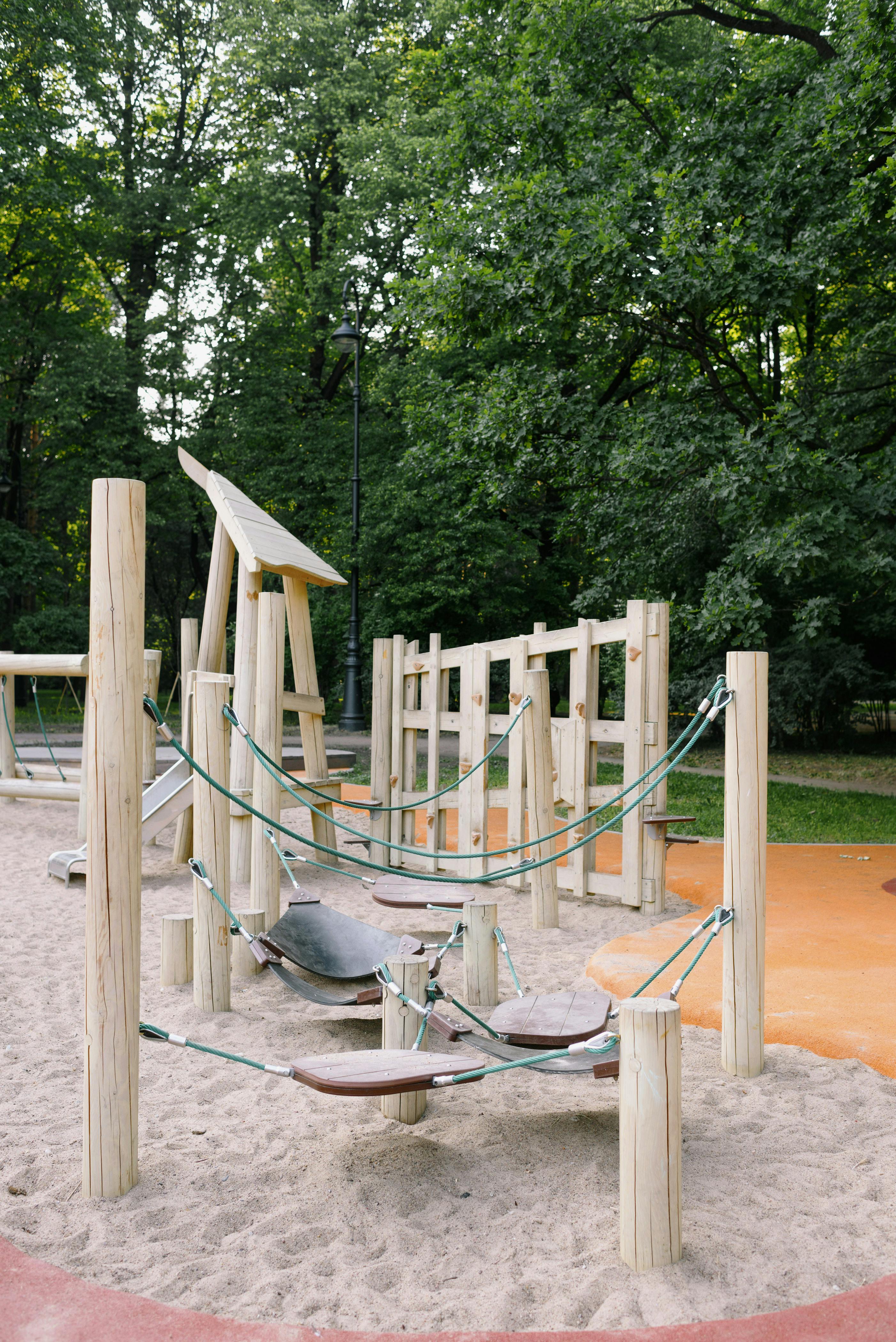
AD GUEST POST | In today’s digital age, it can be challenging to get children to step away from their screens and engage in outdoor play. However, encouraging outdoor activities is vital for their physical and mental development. Spending time outdoors not only fosters physical health, but it also boosts creativity, improves social skills, and nurtures a sense of connection to the natural world. If you’re looking for ways to inspire your child to embrace the outdoors, here are some tips and ideas that can make outdoor play more enticing and enjoyable.


kids outdoor playground

1. Create an Outdoor Adventure Space at Home

One of the most effective ways to get your child excited about outdoor play is by making your garden or outdoor space an adventure zone. Wooden climbing frames with slide is a fantastic addition to any garden. These climbing frames can provide endless hours of fun while encouraging your child to stay active. Whether they’re climbing to new heights or sliding down with joy, the frame helps to build strength, coordination, and balance.

In addition to a wooden climbing frame with slide, you could consider adding other features like a sandpit, trampoline, swings, or even a Kids Tree House. The allure of a treehouse can captivate a child’s imagination. They can pretend it’s their secret hideaway, a pirate ship, or a royal castle. These outdoor structures encourage children to spend more time outside, fostering a sense of independence, adventure, and connection to nature.

2. Be a Role Model for Outdoor Play

Children often emulate the behaviours they see in their parents or caregivers. If you want your child to embrace outdoor play, start by being a positive role model. Go outside with them and engage in physical activities that are both fun and beneficial for your health. You could go for a walk, play catch, or even have a picnic in the park. The key is to show your child that being outdoors is enjoyable and something to look forward to.

As you spend more time outside, you’re teaching your child that outdoor play is a fun and natural part of life. They’ll be more inclined to join in when they see you having a great time outside, and they’ll associate outdoor play with happiness and enjoyment.

3. Introduce Outdoor Games and Sports

Sometimes, children need a little guidance to understand what to do outdoors. Introducing them to outdoor games or sports can make the experience more structured and exciting. You could play traditional games like hide and seek, tag, or kickball, or try something new like frisbee, croquet, or even a scavenger hunt. By engaging in these activities, you provide your child with ideas and inspiration for outdoor play.

If your child enjoys a particular sport, consider introducing them to that as well. Football, tennis, or cycling are all great activities that encourage kids to spend time outdoors. Sports also help children develop coordination, teamwork, and discipline, which are valuable life skills.

4. Encourage Exploration and Nature Walks

Sometimes, the most rewarding outdoor activities are the simplest ones. Take your child on nature walks and allow them to explore the environment around them. Whether it’s a local park, forest, or even your own backyard, nature provides endless opportunities for discovery. Encourage your child to observe the plants, animals, and insects they encounter along the way.

You can make these walks even more exciting by giving your child a small journal to document their findings or take along a magnifying glass to examine insects more closely. These activities encourage curiosity and foster a deeper appreciation for the natural world.

5. Set Up Outdoor Play Dates with Friends

Social interaction is a huge part of a child’s development, and having friends to play with can make outdoor activities even more enjoyable. Arrange outdoor play dates with your child’s friends, whether it’s in the garden, at a local park, or in a nature reserve. This gives your child the opportunity to develop social skills, learn how to work as a team, and engage in cooperative play.

The presence of friends often makes outdoor activities more appealing, especially if your child tends to be more introverted or reluctant to go outside on their own. Together, they can enjoy playing on the wooden climbing frame with slide, pretending to rule over their Kids Tree House, or playing games like capture the flag.

6. Incorporate Outdoor Learning Activities

Outdoor play doesn’t always have to be about physical exercise or recreation; it can also be educational. There are numerous ways to combine learning with outdoor activities. For example, you can set up a small garden where your child can plant and take care of flowers or vegetables. This teaches them about responsibility and how plants grow.

Alternatively, you can turn a walk into an educational journey by talking about the various trees, flowers, and animals you see. You can also teach your child about the importance of conserving nature, recycling, and protecting the environment. These lessons are not only valuable but can make outdoor time more meaningful and rewarding for your child.

7. Use Technology to Encourage Outdoor Play

It may seem counterintuitive, but technology can be a great way to encourage outdoor play. There are many apps and devices that promote outdoor activities and exploration. For example, geocaching is a popular outdoor activity where participants use GPS devices to find hidden objects or “treasures” in their area. It combines technology with physical activity and adventure, making it a fun way for kids to explore the outdoors.

Another option is to use nature identification apps, which help your child learn about different plants, animals, and birds while they are outside. This can make outdoor exploration more engaging and educational.

8. Create a Reward System for Outdoor Play

Sometimes, children need extra motivation to spend time outside. One effective way to encourage outdoor play is by setting up a reward system. For every hour or so your child spends playing outside, they can earn a small reward, whether it’s extra screen time, a special treat, or a fun outing. Rewards can help to reinforce positive behaviour and make outdoor play more appealing.

Be sure to make the rewards age-appropriate and keep them consistent so your child understands that spending time outdoors is something that should be prioritised.

9. Make Outdoor Play a Family Tradition

When outdoor play becomes a family tradition, children are more likely to embrace it. Whether it’s a weekly nature walk, an afternoon spent playing games in the garden, or a family picnic, creating routines around outdoor activities helps children form lasting memories and establish the outdoors as a regular part of their lives.

As your child grows, you can adjust these activities to fit their interests and abilities, ensuring that outdoor play continues to be a valuable and enjoyable part of their day.

Inspiring your child to embrace the outdoors is a gift that will benefit them for years to come. By creating an inviting and exciting outdoor space with features like a wooden climbing frame with slide or a Kids Tree House, you can turn your garden into a playground that sparks their imagination and creativity. Combine this with activities that promote social interaction, physical exercise, and exploration, and you’ll be helping your child develop a love for nature and outdoor play.

With these tips, you can encourage your child to put down their devices and experience the many joys and benefits of spending time outside. Not only will they be physically active, but they’ll also develop important life skills and create memories that will last a lifetime. So, take the leap and inspire your child to embrace the outdoors—you might just find that you enjoy it as much as they do!


19:16 No comments
Newer Posts Older Posts Home

About me


Hello!
Welcome to lthornberry.co.uk, my personal corner on the internet where I write about all things lifestyle.

Please visit my contact page for sponsorships, collaborations and general enquiries.

Follow Me

Kudd.ly

Contact Form

Name

Email *

Message *

POPULAR POSTS

  • Primark PS Love Noir Perfume Review
  • Primark PS Love Rose Gold Women's Perfume Review
  • The Most Magical Family Disney Gifts for All Ages
  • 8 Simple Ways to Make Healthier Lifestyle Choices
  • 5 Things To Consider Before Getting Back Into Dating After a Long Break

Designed By | Distributed By Laura Thornberry 2021